
The Best Budgeting Tips For Navigating Life As A Single Parent
Apr 03, 2026



Pausing your career offers valuable time to explore new interests, visit different places, or reconnect with friends and family, yet it often raises important questions about money. You may find yourself thinking about how to pay for daily expenses and keep up with regular bills while you are away from work. Careful planning helps you handle these concerns, so you can enjoy your time away without constant worry. By focusing on your financial needs during this period, you can create a smoother transition that fits your changing goals and gives you greater peace of mind.
Gather your latest bank statements, credit card bills, and any investment summaries. Create a simple spreadsheet or use a budgeting app to categorize your expenses. Seeing how much you spend on housing, groceries, entertainment, and discretionary items reveals where you can adjust.
Next, calculate your monthly income from passive sources—rental properties, dividends, or interest accounts. Subtract your fixed and variable expenses to find out your financial gap. This net figure guides your decisions on cutting costs or finding extra income. Knowing exactly where you stand removes guesswork and adds confidence.
Define what success looks like. Are you aiming to travel for three months, take classes, or focus on personal well-being? Assign a dollar value to each goal. For instance, estimate accommodation and daily costs for travel or tuition fees for classes. Concrete targets help you track progress and allocate funds wisely.
Break down large goals into smaller milestones. If you plan to save $6,000 in six months, aim for $1,000 per month. This approach keeps you motivated and allows you to adjust based on real-life expenses. You can even celebrate small wins—like hitting your first $500 saved—to maintain momentum.
Emergencies happen at any stage of life, and a career break is no exception. An emergency fund acts as a safety net so you can focus on your goals instead of unexpected bills.
Even if you begin with just $50 a week, you’ll watch your emergency fund grow. When unexpected repairs or urgent medical bills arise, you’ll feel confident to handle them without derailing your break.
Carrying debt during a pause can feel stressful, but with a structured plan, you can reduce balances without sacrificing your break’s purpose. Focus on debts with the highest interest rates first—this frees up more cash over time.
Following these steps helps you stay in good standing with creditors and steadily reduce what you owe—without derailing your career break adventure.
Supplementing savings with side income can extend your break and keep you engaged. Look for options that match your skills and interests, whether you love design, writing, teaching, or consulting.
Consider these flexible paths:
Each small payout adds up, and you’ll gain new experiences that enrich your break. Plus, maintaining a light work routine can make it easier to return to full-time employment later.
A career break gives you a chance to rethink daily routines. You might swap a costly morning latte for a homemade brew or carpool with friends instead of commuting alone. These small changes quickly add up.
Track discretionary expenses for two weeks and identify patterns. If dining out happens frequently, set a weekly limit—maybe two restaurant dinners—and cook at home the rest of the time. Use meal planning apps or join local cooking classes to make at-home meals exciting and varied.
Regular check-ins help you stay on top of your financial plan. Schedule a monthly review to update your budget, measure savings milestones, and adjust your goals. Use visual charts or journal entries to celebrate your progress.
Invite an accountability partner—a friend or family member—to join you in these reviews. Sharing wins and challenges brings new ideas, keeps you motivated, and reminds you that you’re not alone in this journey.
Approaching your career break with clear goals, an emergency fund, and side income ensures you return financially prepared and motivated. Focus on planning and managing your resources for a successful transition back to work.

Buying a home for the first time brings both excitement and a sense of anticipation, especially when you know how to approach the process. Begin by outlining what you...
May 02, 2026

Launching your professional journey opens the door to new possibilities and important financial decisions. Many people find themselves balancing student loan payments,...
Apr 29, 2026

Many business owners balance the excitement of new projects with the ongoing responsibility of managing finances. When debts from loans and credit lines start to...
Jun 10, 2026

Launching a career in science, technology, engineering, or math often begins with securing a scholarship that provides essential financial assistance and boosts...
Apr 25, 2026

Curiosity often ignites when someone tries writing code for the first time, revealing a world where creativity and problem solving come together. That initial interest...
Mar 17, 2026

Supporting causes with your donations creates a direct and positive impact. By choosing to give with intention, you help nonprofits make a difference where it counts...
Mar 31, 2026

Curiosity about cryptocurrency investing often comes with both excitement and uncertainty. You have the opportunity to discover new financial possibilities while making...
Jun 21, 2026

Creating a plan to safeguard your loved ones and belongings calls for careful and intentional decisions. You gain peace of mind when you make sure those close to you...
Mar 27, 2026

Beginning a DIY project often stirs a sense of anticipation along with some butterflies. Tackling a blank wall or breathing new life into an old bookshelf can spark...
Apr 15, 2026

Building an online presence that shows true talent and passion goes far beyond picking an appealing profile photo. The process starts with recognizing the qualities and...
Mar 24, 2026

Many people find home maintenance challenging as daily demands leave little time for household tasks. Taking a straightforward, organized approach helps you manage...
May 12, 2026

Soft throws and gentle sunlight can fill a living room with comfort, all while keeping utility costs in check. Simple changes, such as choosing the right fabrics or...
Apr 11, 2026

People now enjoy wearing smartwatches as they offer a stylish look while packing impressive features into a compact device. These modern gadgets go beyond telling time;...
Jun 06, 2026
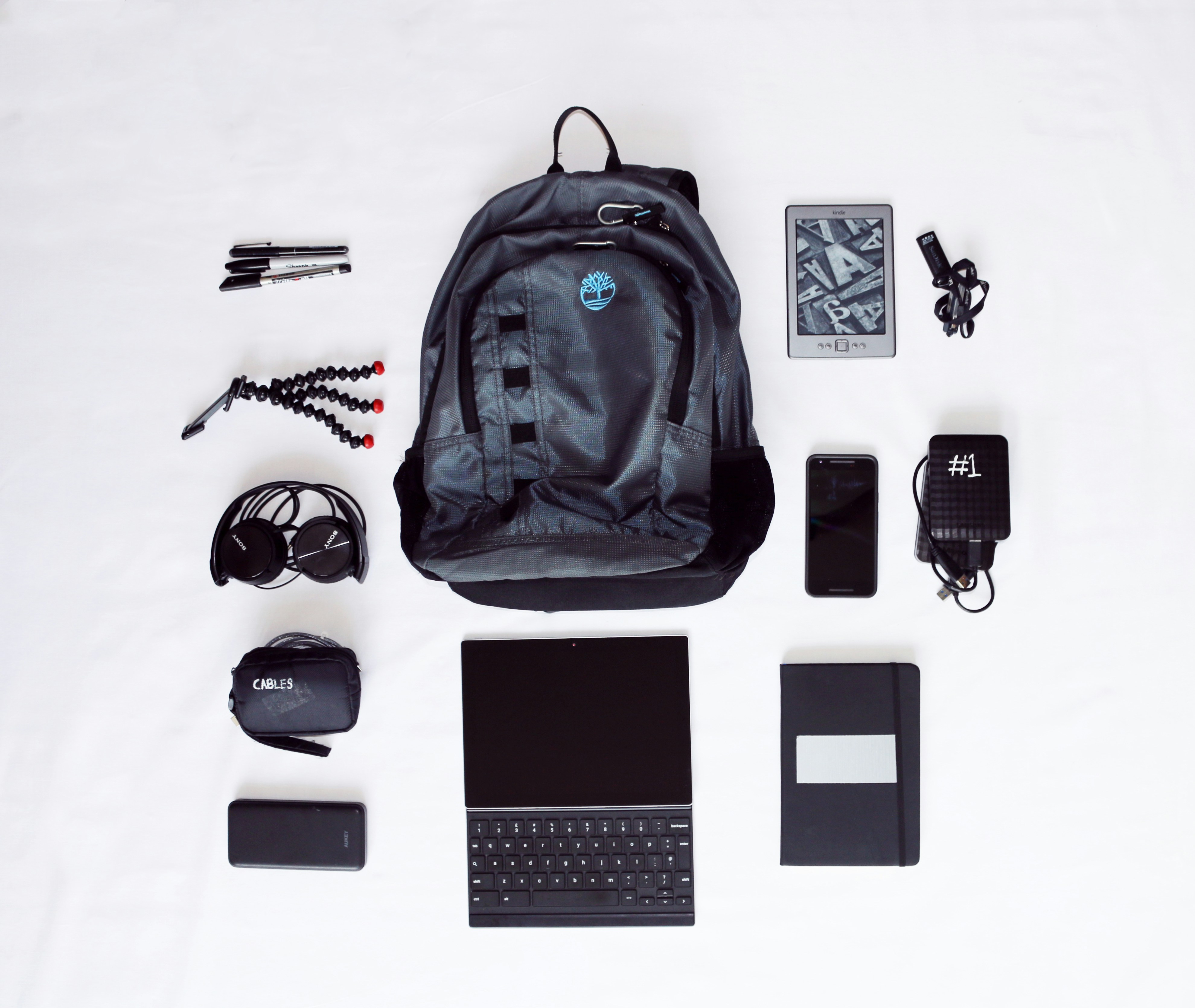
Travel preparations for a short getaway usually involve managing suitcases, untangling cables, and organizing essential gadgets before heading out the door. Many people...
Mar 20, 2026