
Best Budget-Friendly Ideas For Home-Based Craft Projects
Jul 01, 2026



A well-designed creative space brings a sense of excitement and motivation each time you walk in. Even when room is limited, careful organization allows you to transform a small nook into a welcoming place for crafting. By arranging your supplies within easy reach and adding touches that reflect your personality, you make the area both useful and inviting. Every detail, from storage solutions to decorative accents, can help you enjoy your projects more and keep your tools close at hand. Turning a modest corner into a personalized retreat encourages you to start new projects and enjoy each creative session.
By breaking down the process into clear phases—measuring your nook, picking adaptable furnishings, and sorting supplies—you’ll build momentum. Small choices yield big results: a foldaway desk, a tiered cart on wheels or wall racks can reinvent how you store and access materials. Let’s explore each step to transform a snug area into a functional craft corner ready for your next masterpiece.
Start by measuring the width, depth and height of your chosen spot. Note nearby outlets, windows for natural light and traffic flow. Sketch a simple floor plan or snap photos to envision furniture placement. This preparation prevents surprises when shopping or rearranging.
Next, list your most-used tools and supplies. Do you work with paper, yarn, paint or mixed media? Estimate quantities: a small bin of brushes versus dozens of fabric scraps demand different storage. Rank items by how often you use them. Keep daily essentials within arm’s reach and tuck occasional materials in less accessible spots.
Each option adapts to shifting needs. A wall-mount table clears floor space, while a cart moves from craft corner to living room for family game night. Look for lightweight metal or bamboo styles that won’t overwhelm a small area.
Check out *IKEA* for budget-friendly desks, *The Container Store* for versatile cubes, or *Amazon Basics* for simple rolling carts. Measure doorways and hallways before buying to ensure each piece fits seamlessly into your home.
Sorting at the start saves frustration down the road. When you can spot glitter glues instantly, you’ll finish projects faster. A label maker adds polish and helps maintain order.
Consider clear acrylic boxes if you love seeing contents at a glance. Wrap loose beads or pins in small zip pouches before placing them in larger bins to prevent spills. Invest in drawer dividers for small tools like sculpting blades or wire cutters.
Walls become prime real estate in a small apartment. Install a pegboard system above your desk to hang scissors, rulers and loops of ribbon. Adjustable hooks and baskets let you redesign the layout whenever your collection grows.
Use the backs of doors or cabinet fronts: stick an over-the-door organizer to hold paint tubes, brushes or yarn skeins. Magnetic strips can keep metal tools at arm’s reach without eating up shelf space. Seek floating shelves that balance weight and style.
Add playful pops of color with washi tape borders around shelving or paint an accent wall in your favorite hue. Display finished pieces—mini canvases or handmade greeting cards—on a small gallery ledge to motivate you on tougher days.
Introduce a comfy seat with a washable cushion and a throw for chilly mornings. Hang a small textile banner or string fairy lights for warm ambiance. Greenery in a tiny pot freshens the air and softens hard edges. Infuse your character into every element so crafting feels like a retreat.
Dedicate five minutes at the end of each session to return tools to their designated spots. This quick reset prevents clutter from piling up and keeps creative energy flowing. You’ll enter your nook ready to dive into projects without first decluttering.
Plan larger cleanups weekly. Wipe down surfaces, check bins for overfilled or unused items, and cull as needed. Keeping a small trash can or recycling bin nearby makes disposing of scraps effortless. Over time, a tidy routine will feel natural and enjoyable.
Encourage exploration: swap out fabrics seasonally, rotate displayed works or introduce a new organization hack you read about. Treat your corner as a living space that evolves with your skillset and interests.
With careful planning and personal touches, your small-space craft corner becomes a functional workspace. Projects run more smoothly, supplies stay organized, and creativity grows daily.
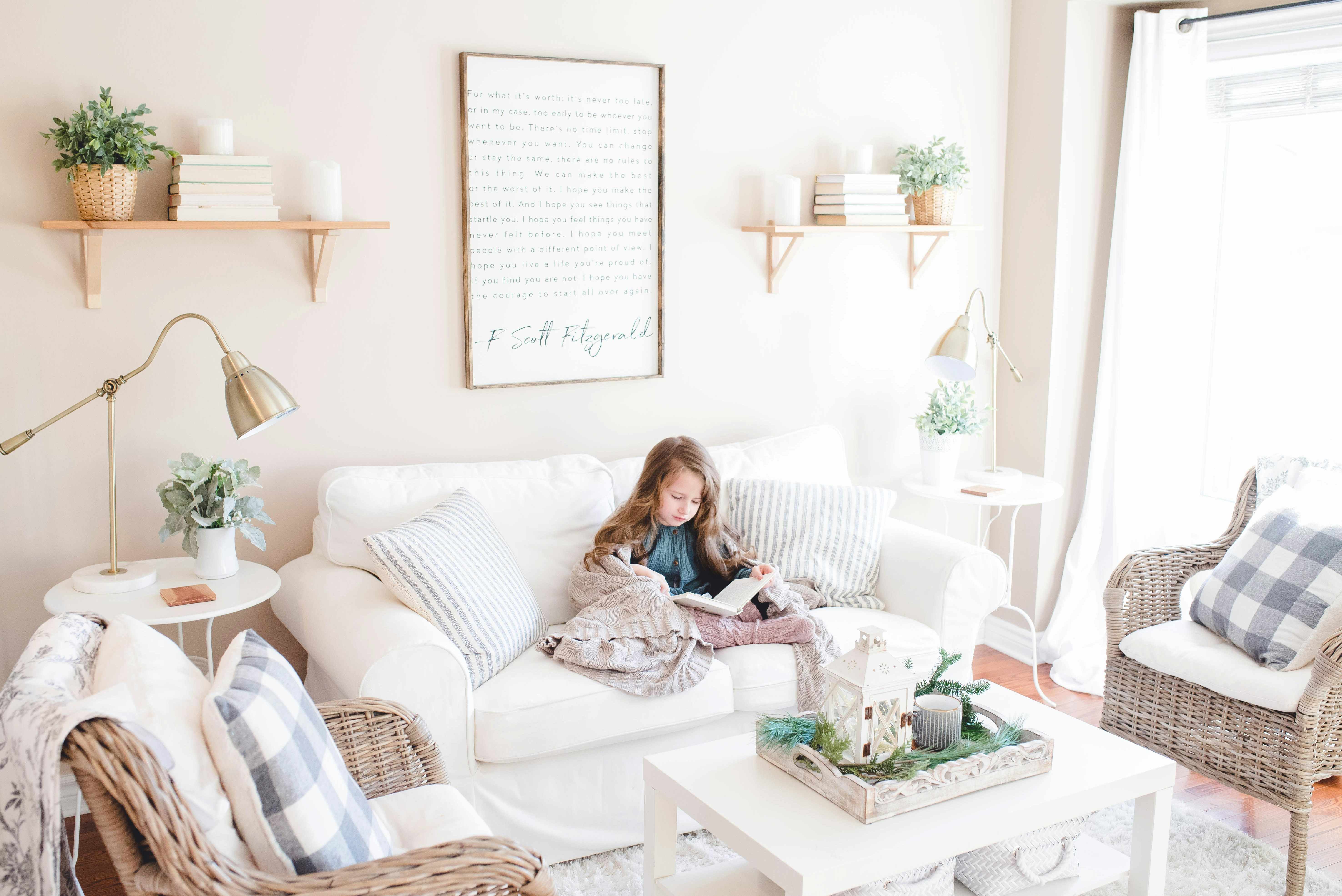
Creating a home that feels inviting and stylish while also protecting little ones matters to every family. This guide offers ten practical methods to make each room...
May 09, 2026

Sharing a small apartment with pets brings unique joys and a few challenges. You want your home to feel comfortable and tidy while making sure your animal companion...
Jun 24, 2026

Creating an online shop opens the door to a rewarding experience filled with creative decisions and the potential for personal achievement. Building a digital space for...
Apr 22, 2026

Warm evenings become even more enjoyable when you have a backyard that feels inviting and comfortable, almost like a natural extension of your home. Picture a place...
Jun 28, 2026

Curiosity about cryptocurrency investing often comes with both excitement and uncertainty. You have the opportunity to discover new financial possibilities while making...
Jun 21, 2026
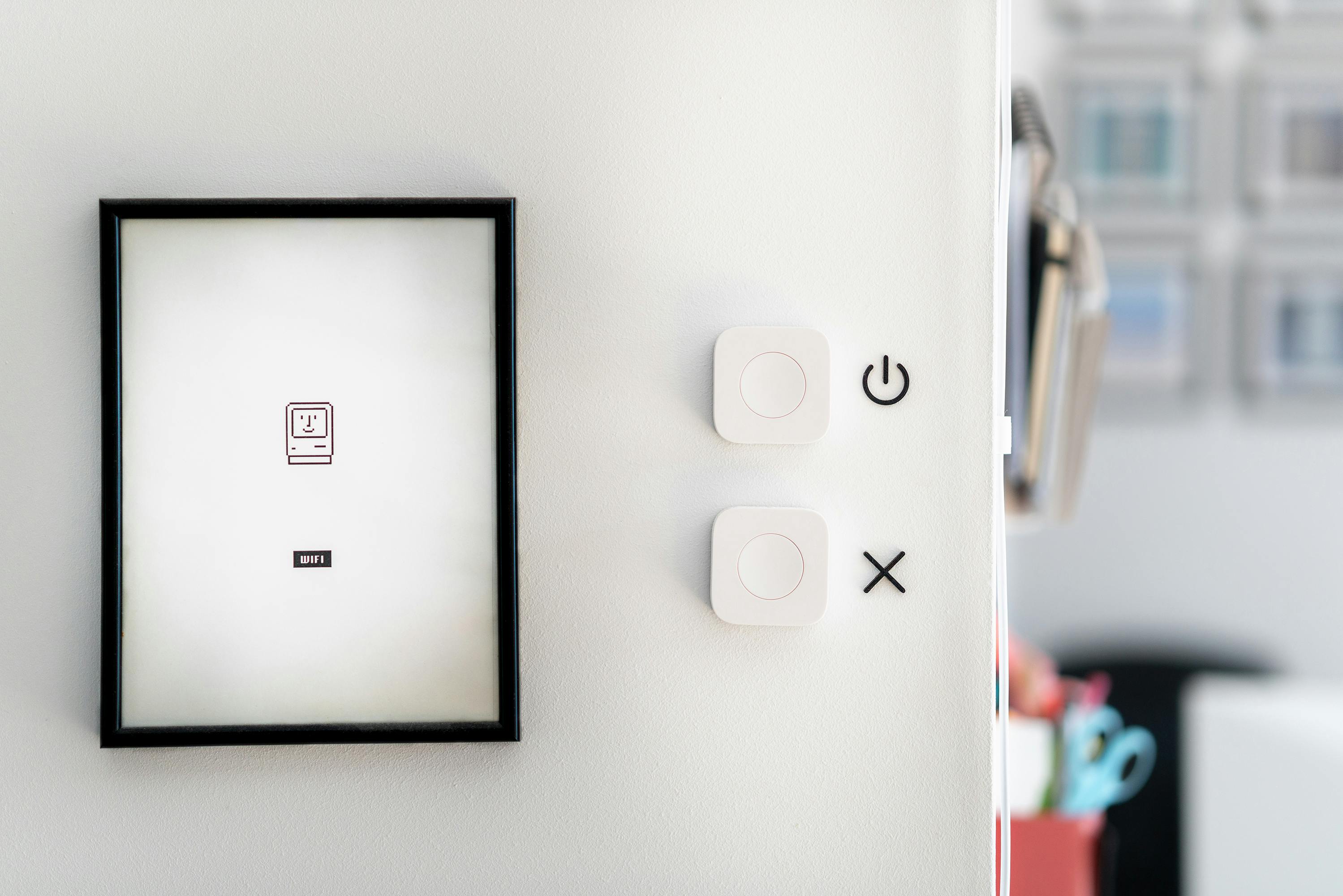
Smart home technology welcomes you with a door that unlocks at your approach, lighting that brightens your favorite corner, and a coffee maker that serves you a hot cup...
Mar 11, 2026
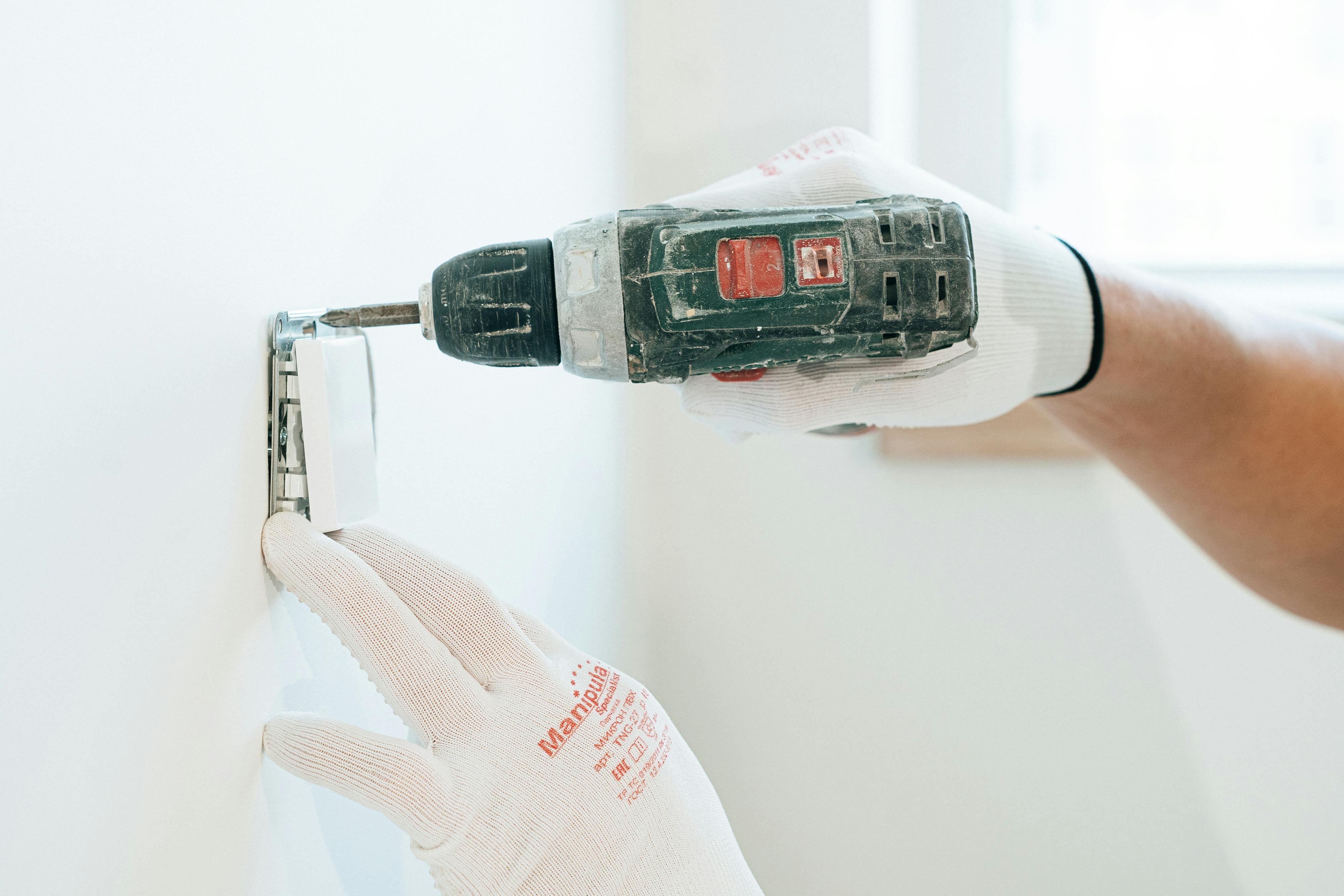
Many people find home maintenance challenging as daily demands leave little time for household tasks. Taking a straightforward, organized approach helps you manage...
May 12, 2026

Showcase your technical skills and creativity by assembling a compelling portfolio that attracts new possibilities and reveals paths you may not have considered. Gather...
May 23, 2026
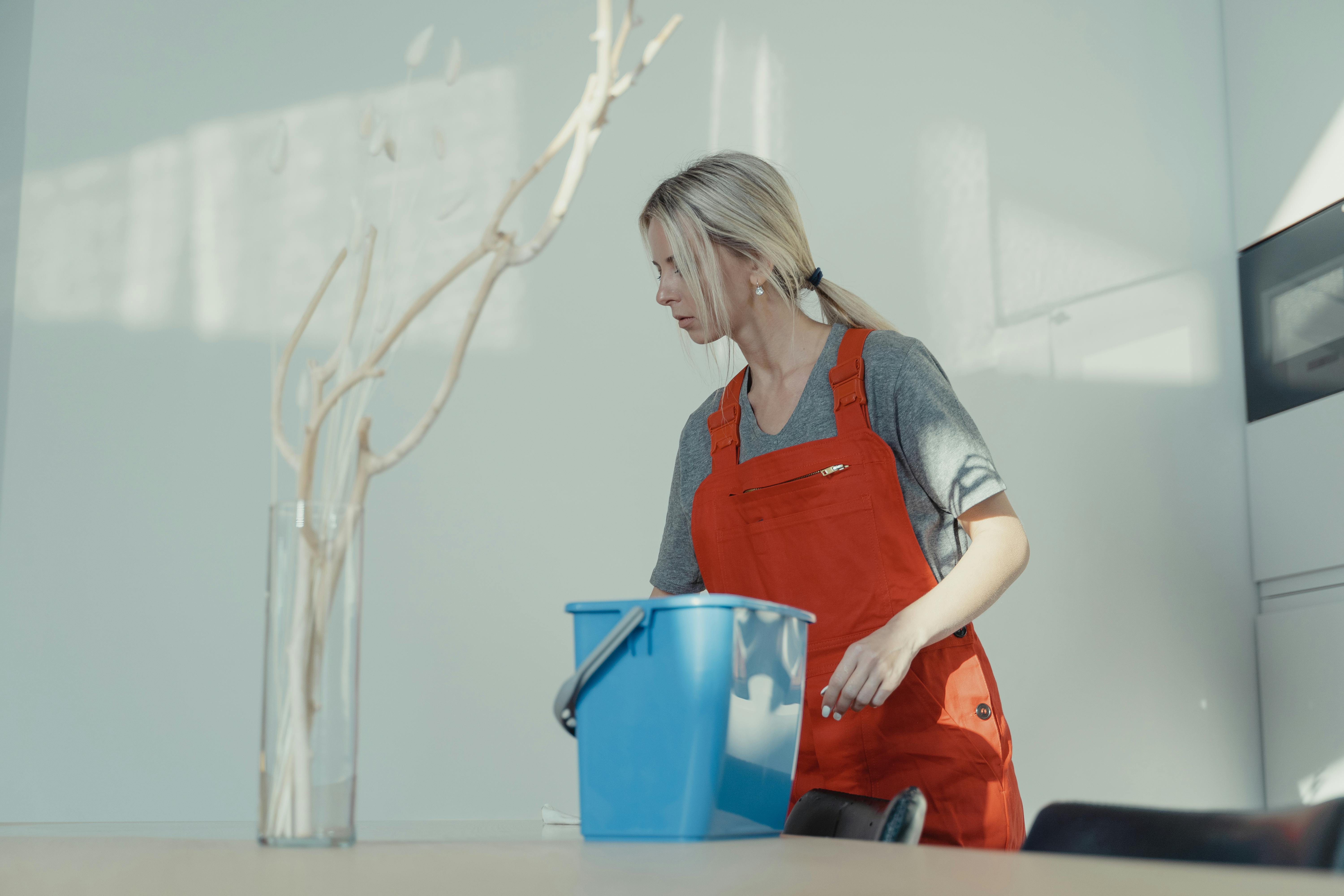
Switching to a green cleaning routine brings a refreshing sense of accomplishment. By choosing gentle cleaners over harsh chemicals, you create a home that feels both...
May 19, 2026

Curiosity often ignites when someone tries writing code for the first time, revealing a world where creativity and problem solving come together. That initial interest...
Mar 17, 2026

Balancing daily expenses on one income often brings its own set of challenges, particularly when you’re raising children and facing surprise bills. Each day involves...
Apr 03, 2026

Many business owners balance the excitement of new projects with the ongoing responsibility of managing finances. When debts from loans and credit lines start to...
Jun 10, 2026

Soft throws and gentle sunlight can fill a living room with comfort, all while keeping utility costs in check. Simple changes, such as choosing the right fabrics or...
Apr 11, 2026

Choosing to live alone brings a unique sense of independence and adventure. You have the opportunity to shape your home according to your personal preferences, create...
Jul 05, 2026