
9 Practical Ways To Make Apartment Living More Pet Friendly
Aug 02, 2026



Creating a home that feels inviting and stylish while also protecting little ones matters to every family. This guide offers ten practical methods to make each room safer without compromising on design. After spotting typical hazards found around the house, I tried a range of widely recommended safety products in actual family spaces. With each solution, I made sure to include easy ideas that match your sense of style. The following tips show how to balance attractive decor with important safety measures, so you can enjoy a comfortable home that keeps curious children out of harm’s way.
Each space in your home presents unique challenges. A quick scan helps you spot hazards before little ones do. Use this numbered list to evaluate each room:
Walk each room on hands and knees. Note anything at eye level for a toddler. That simple check reveals risks you can’t see from upright.
Next, prioritize fixes. Tackle high-risk areas first—spots where kids tend to gather. That might be the playroom or the kitchen table. Taking swift action in these zones will make you feel more confident.
Selecting pieces that combine safety with sleek design makes childproofing feel like an upgrade. Look for items built to blend seamlessly with your decor.
These fixtures highlight features like soft-touch materials, durable finishes, and modular designs. They keep a modern look while blocking common dangers.
You can mix metallics, wood grains, and matte accents without worry. The right fixture blends with your palette and guards curious hands at once.
Cords snaking along baseboards, power strips tucked under desks, and batteries stored in drawers seem harmless at first glance. But they attract attention quickly. Store loose cables inside cord organizers or behind furniture. Label each cable so adults can rearrange without pulling on a hidden web.
Keep batteries in locked compartments marked with symbols kids don’t recognize. Use photo-frame boxes to stash remote controls and chargers in plain sight but out of reach. By controlling access, you reduce daily risks and teach older children to respect off-limits zones.
Rope off tricky corners with floor-to-ceiling tension poles draped in fabric. These create a gentle visual boundary that toddlers learn to avoid. For open staircases, hang woven jute panels or lightweight wood slats that blend with your decor while preventing little feet from turning steps into play areas.
Planters on low shelves act as natural blockers. Choose sturdy ceramic or terracotta pots filled with pet-safe greenery. You get a calming touch of nature plus a living barrier to redirect wandering hands. This dual-purpose design enhances both style and safety at the same time.
Use your creative skills with quick DIY upgrades. Paint wooden edge guards to match accent walls or wrap them in fabric scraps for a custom look. Use reclaimed wood to build a narrow console table just above outlet height. That table conceals plugs behind a decorative screen.
Install magnetic locks inside cabinets and attach matching decorative pulls on the outside. Kids won’t be able to yank doors open, and you won’t see bulky plastic locks spoiling the view. Small crafting efforts deliver big style and major peace of mind.
Stay proactive with regular safety checks. A few minutes each week keep your home secure without adding stress.
Turn these tasks into habits by setting a weekly reminder. You will enjoy a home that stays both stylish and safe for your little one.
Follow these ten expert tips to keep your child safe while maintaining your decor. Each idea balances safety and design to create warm, inviting, secure rooms.

Sharing a small apartment with pets brings unique joys and a few challenges. You want your home to feel comfortable and tidy while making sure your animal companion...
Jun 24, 2026

Picking quality tools helps you complete home projects with greater ease, speed, and satisfaction. Selecting equipment that matches your needs ensures each tool feels...
Aug 05, 2026
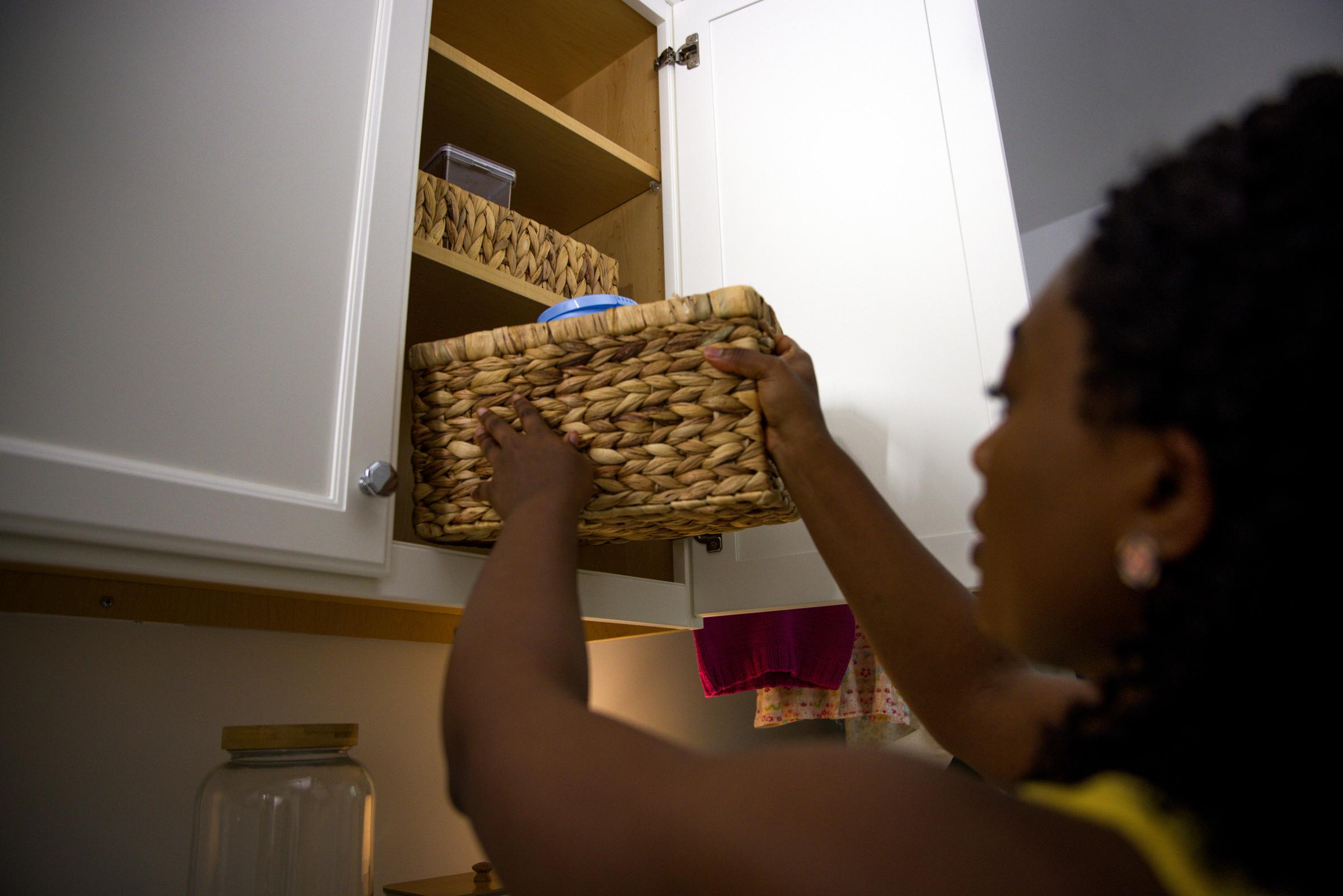
Clutter often collects in living rooms, with toys scattered across the floor, magazines piling up on the coffee table, and blankets left draped over the couch....
Sep 04, 2026

Choosing to live alone brings a unique sense of independence and adventure. You have the opportunity to shape your home according to your personal preferences, create...
Jul 05, 2026
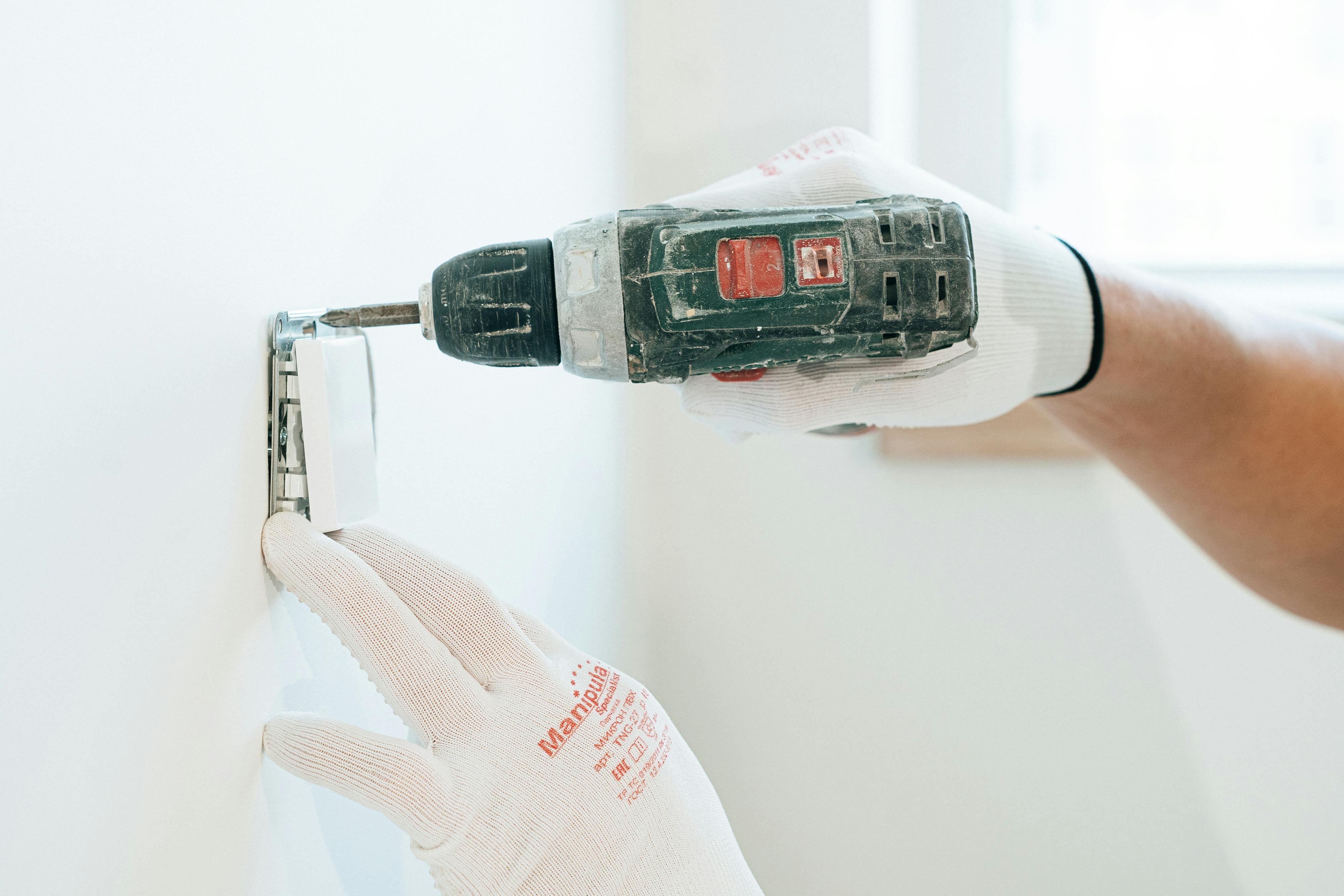
Many people find home maintenance challenging as daily demands leave little time for household tasks. Taking a straightforward, organized approach helps you manage...
May 12, 2026

Creating a podcast lets you connect with others as you talk about your favorite topics, from preparing cherished family meals to exploring new creative outlets or...
Jul 14, 2026

Managing a freelance tech career involves balancing various projects, communicating with clients, and meeting tight deadlines, often from a variety of locations. Each...
Jul 10, 2026

Starting a Spotlight podcast brings a mix of anticipation and nervous energy. Your stories and perspectives deserve to be shared, and the journey ahead offers many...
Aug 16, 2026
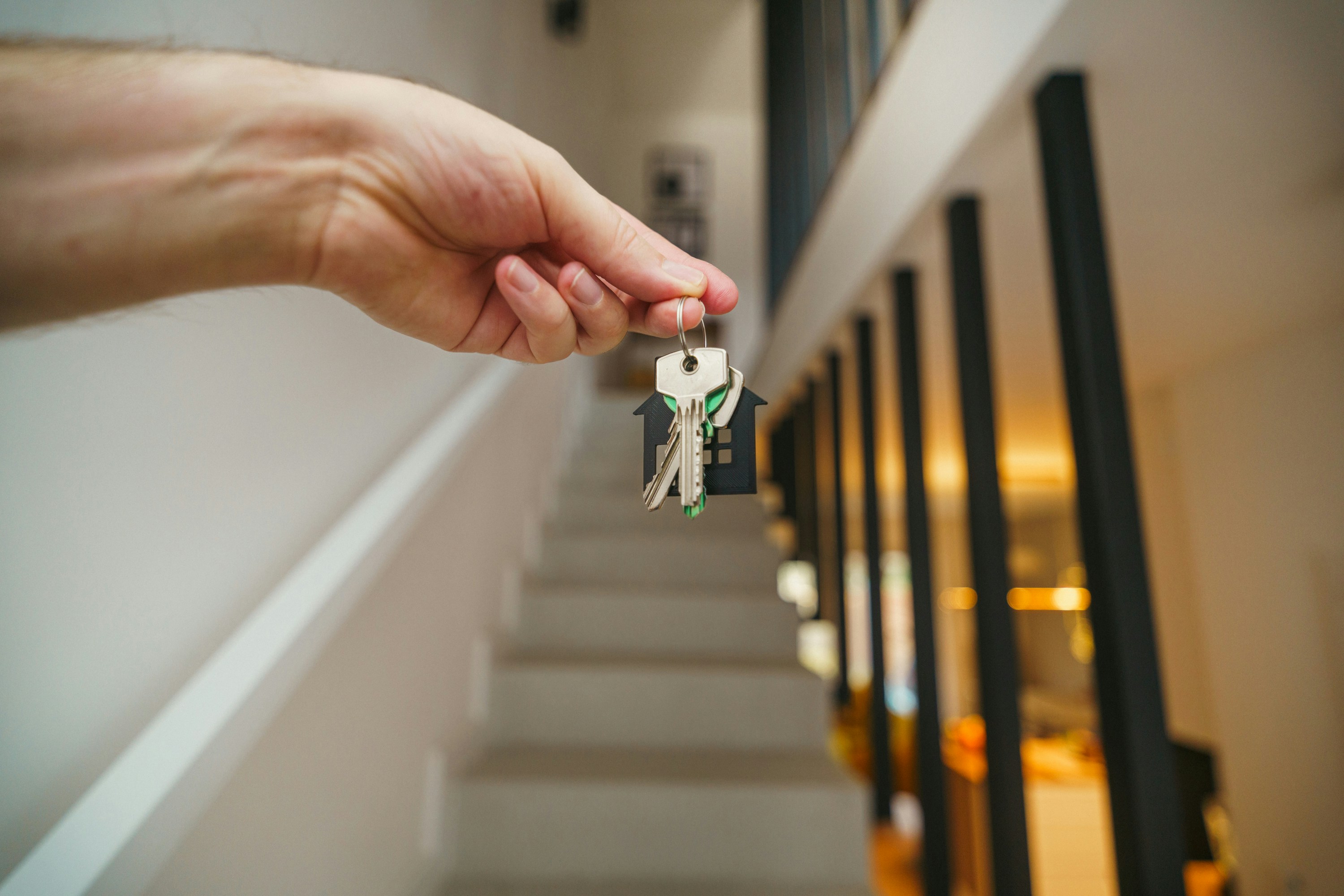
Taking on the process of buying a home solo gives you the power to make decisions that match your own needs and preferences. You get to select the neighborhood, tour...
Aug 26, 2026
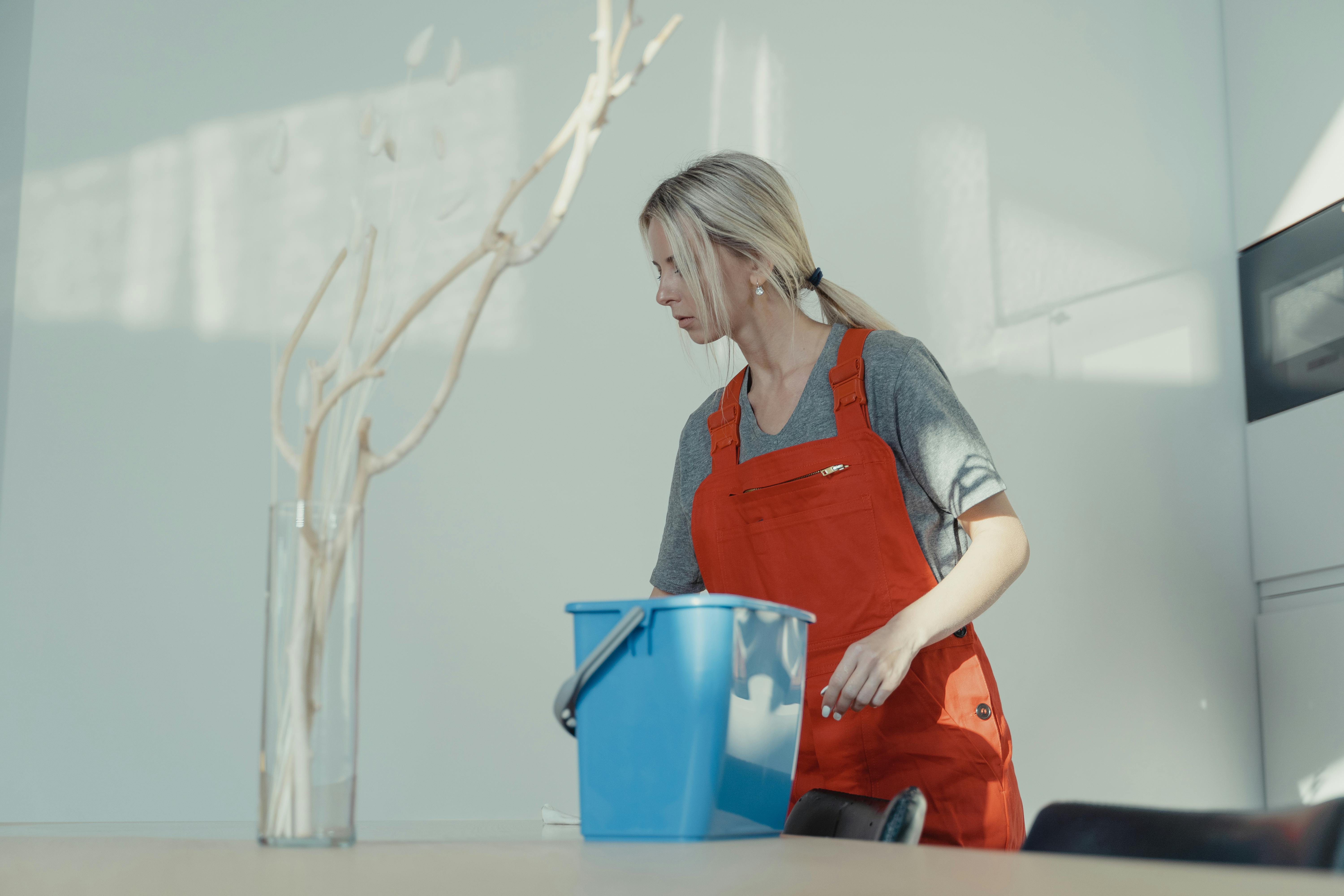
Switching to a green cleaning routine brings a refreshing sense of accomplishment. By choosing gentle cleaners over harsh chemicals, you create a home that feels both...
May 19, 2026

People now enjoy wearing smartwatches as they offer a stylish look while packing impressive features into a compact device. These modern gadgets go beyond telling time;...
Jun 06, 2026

Life after divorce brings many changes, including new challenges around planning for retirement. As you adjust to your new routines and manage the emotional journey, it...
Jul 29, 2026
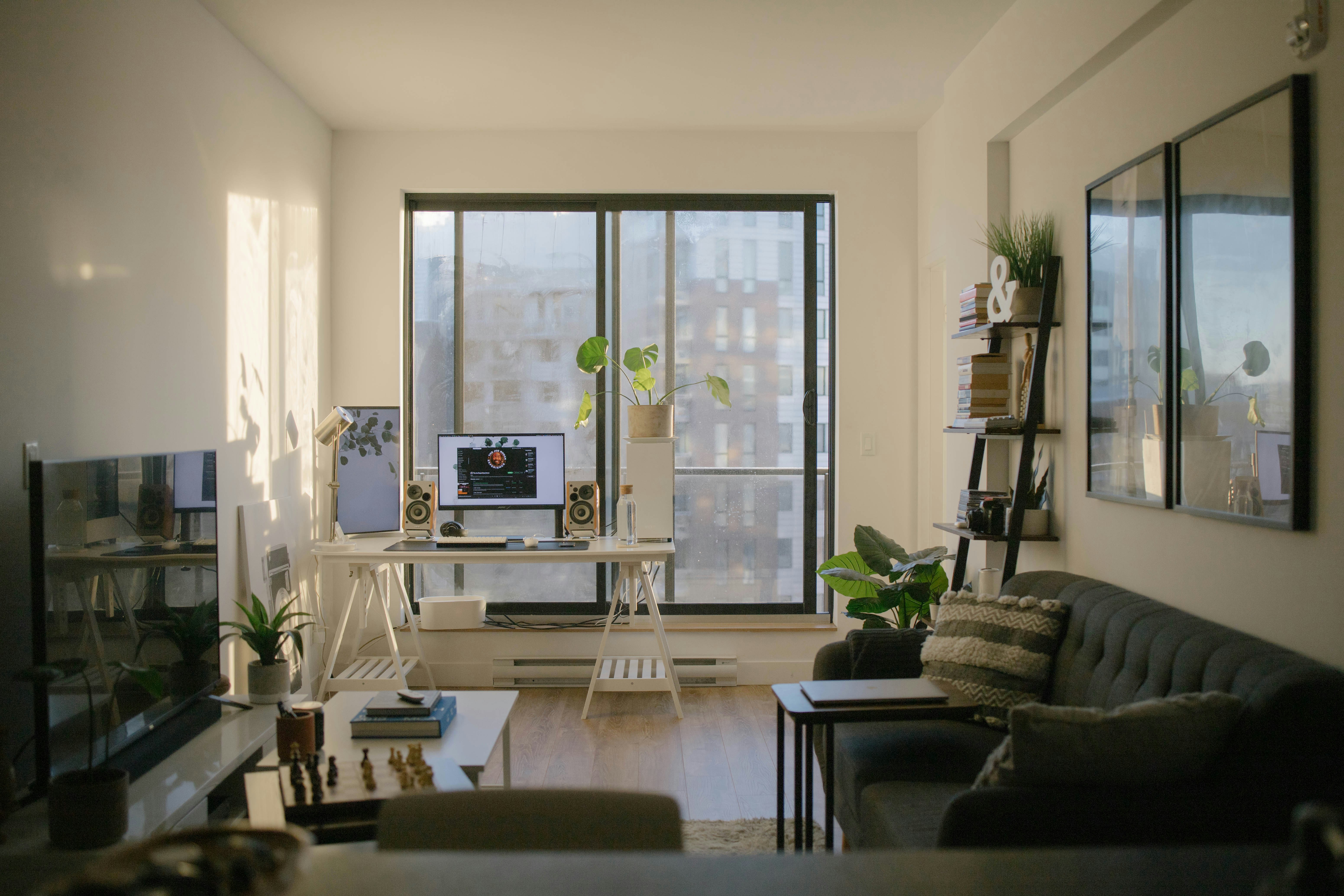
Designing a home office that supports both comfort and productivity can feel overwhelming, yet a few thoughtful changes will help you build a space where you feel...
Aug 09, 2026

Showcase your technical skills and creativity by assembling a compelling portfolio that attracts new possibilities and reveals paths you may not have considered. Gather...
May 23, 2026