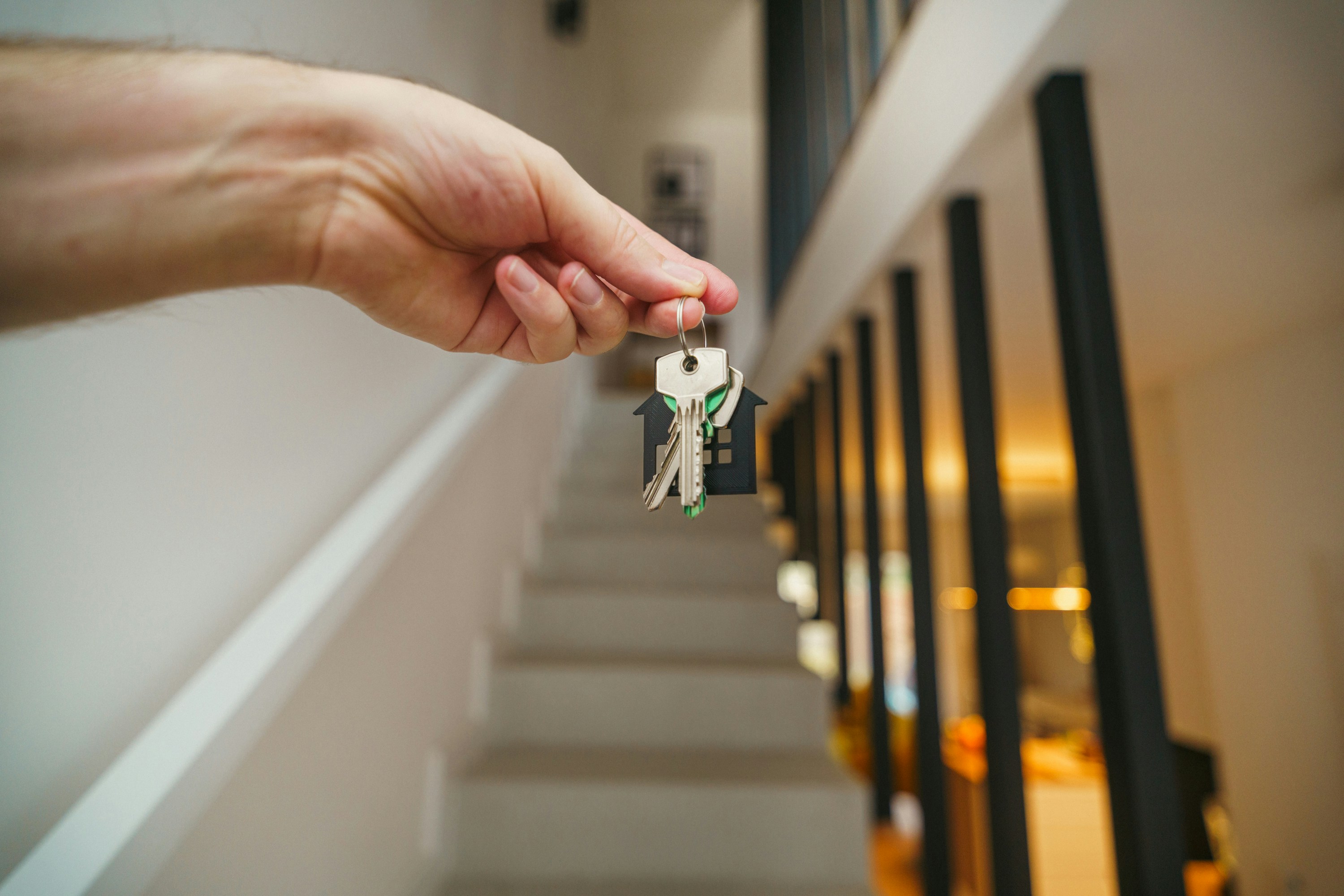
How To Maximize Home-Buying Power When Purchasing Solo
Aug 26, 2026



Buying a home for the first time brings both excitement and a sense of anticipation, especially when you know how to approach the process. Begin by outlining what you want in your future home, including important details such as location, number of bedrooms, and whether you need a backyard or a dedicated office space. Write down these essentials so you keep them in mind as you search. Setting a specific savings target for your down payment and closing costs gives you a clear objective to work toward. Reaching each goal along the way adds motivation and keeps you focused as you move closer to making your dream of owning a home a reality.
As you map out your path, celebrate small wins—whether it’s opening a dedicated savings account or finding a great rate on renters insurance that frees up extra cash. Treat every saved dollar as a showcase of your progress. With curiosity and focus, you’ll uncover money-saving tricks that keep you both confident and inspired as you move closer to unlocking the door to your very own home.
Creating a realistic budget helps you succeed. Track your monthly income and expenses with a simple spreadsheet or budgeting app. List recurring costs like rent, utilities, groceries, and transportation. Compare these figures to your savings rate and mortgage estimates to see how much home you can comfortably afford without overstretching your finances.
Include unexpected expenses in your planning. Set aside three to six months’ worth of living costs for emergencies, so an unexpected repair or job change doesn’t derail your homebuying plan. Knowing your budget protects you against financial surprises and gives you confidence.
First-time buyers often use specialized assistance programs to lower initial costs. Some local and state initiatives offer grants or low-interest loans that cover part of your down payment or closing expenses. Matching your personal profile to the right program can reduce thousands from your initial outlay.
Reach out to community development offices and local housing agencies to find hidden opportunities in your area. Many programs update their eligibility criteria each year, so stay alert to their announcements and deadlines to maximize your chances.
Select the right loan to shape your monthly payments and your long-term financial health. Meet with at least three lenders to review fixed and adjustable-rate mortgages. Asking for a Loan Estimate form helps you compare interest rates, closing fees, and mortgage insurance easily.
Pay close attention to the annual percentage rate (APR). This number includes interest and fees and shows the true cost of borrowing. A slightly higher rate with minimal fees might be better than a lower rate with high closing costs. Analyzing these numbers now saves you money over your loan’s lifetime.
When you find a home you love, come prepared with research. Look at recent sales of similar houses nearby to set a realistic offer that appeals to sellers. If the property has been on the market for a while, ask for seller-paid closing costs or an appraisal credit to reduce your out-of-pocket expenses.
Having a flexible closing date or being willing to accommodate the seller’s timeline can work in your favor. Sellers appreciate a smooth transaction and might lower the price or cover some fees if they see your timeline matches theirs.
Closing costs can quickly add up to 2–5% of the home’s value. Find ways to cut these expenses without sacrificing quality. Ask lenders for a detailed fee breakdown and highlight any that seem excessive or negotiable, like underwriting or processing fees.
You can also compare title insurance providers and choose a reputable, competitive option. In many states, buyers select their closing agents. Comparing a few quotes ensures you get a fair deal.
Timing your closing can save money. If your lender charges lower fees at the end of the month, schedule your closing accordingly. Every dollar you save here adds to your post-purchase budget.
With your savings plan and negotiation skills ready, you can confidently take steps toward homeownership. Celebrate each stage as a milestone showing your dedication to smart planning. Applying these tips makes your path clearer, your goals closer, and your excitement stronger.
Your hard work results in a home that reflects your wise financial choices and optimism. It’s a place truly yours.

Many business owners balance the excitement of new projects with the ongoing responsibility of managing finances. When debts from loans and credit lines start to...
Jun 10, 2026

Building financial security for the years ahead can go hand in hand with enjoying what you love today. You have the opportunity to pursue your passions and interests...
May 07, 2026

Learning to handle money early on gives you a real sense of control and self-reliance. Teens who get comfortable with making choices about saving, spending, and watching...
Aug 30, 2026

Setting aside a gift that grows alongside your child’s dreams gives their future a solid foundation. Planning ahead allows you to create a safety net, making higher...
Jun 15, 2026

Creating wealth gives you the chance to make a difference and back initiatives that matter to you. By directing your resources toward efforts such as providing clean...
Jul 24, 2026

Creating a podcast lets you connect with others as you talk about your favorite topics, from preparing cherished family meals to exploring new creative outlets or...
Jul 14, 2026

Losing a loved one often brings a mix of emotions and practical responsibilities, especially when it comes to transferring family assets. Sorting through legal documents...
Aug 22, 2026

Creating crafts at home offers a fun and budget-friendly way to bring personality into your living space. Collecting basic materials and exploring new techniques can...
Jul 01, 2026

Managing a freelance tech career involves balancing various projects, communicating with clients, and meeting tight deadlines, often from a variety of locations. Each...
Jul 10, 2026

Warm evenings become even more enjoyable when you have a backyard that feels inviting and comfortable, almost like a natural extension of your home. Picture a place...
Jun 28, 2026

Switching to a green cleaning routine brings a refreshing sense of accomplishment. By choosing gentle cleaners over harsh chemicals, you create a home that feels both...
May 19, 2026
Designing a home office that supports both comfort and productivity can feel overwhelming, yet a few thoughtful changes will help you build a space where you feel...
Aug 09, 2026

Picking quality tools helps you complete home projects with greater ease, speed, and satisfaction. Selecting equipment that matches your needs ensures each tool feels...
Aug 05, 2026
Many people find home maintenance challenging as daily demands leave little time for household tasks. Taking a straightforward, organized approach helps you manage...
May 12, 2026