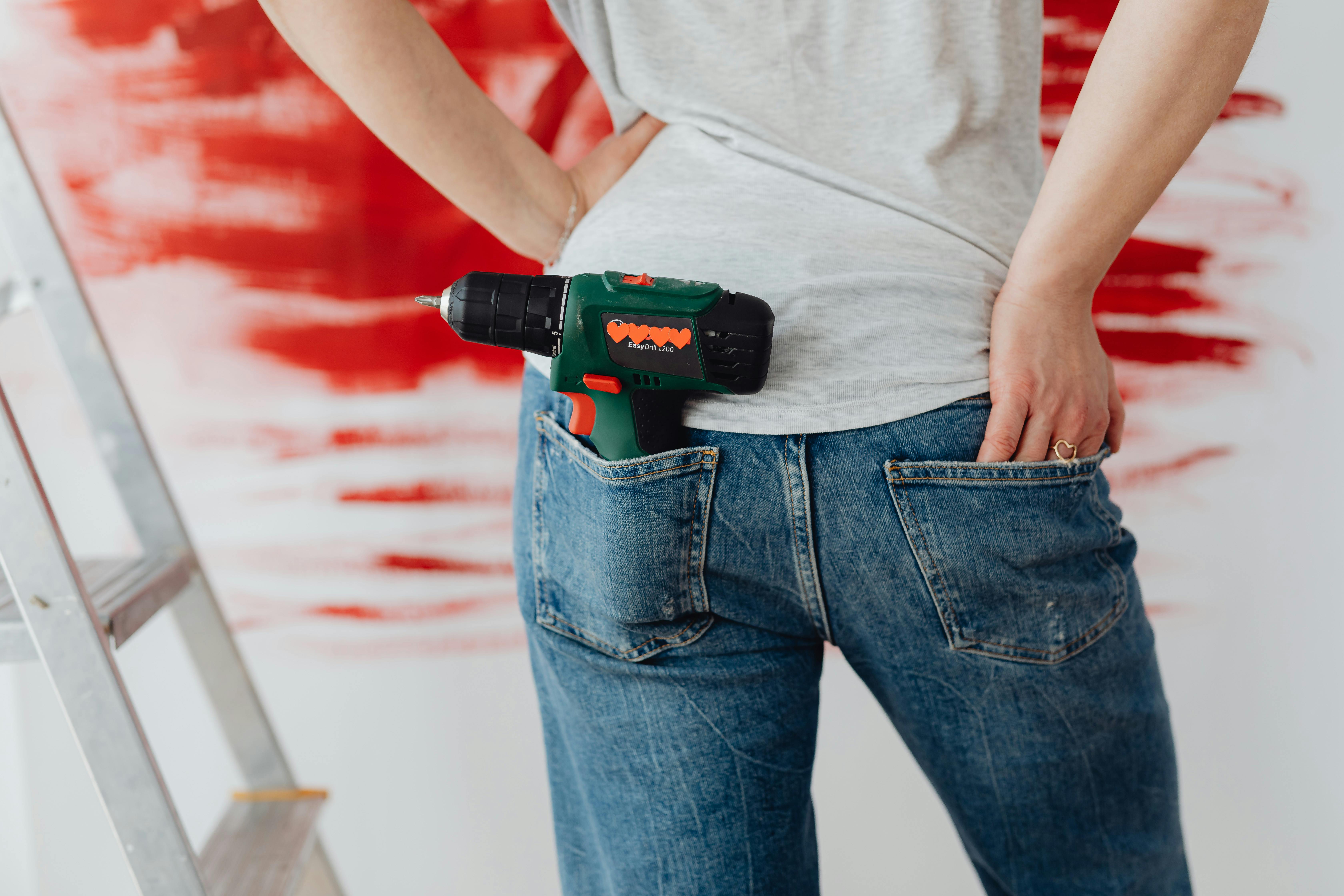
How To Select Home Improvement Tools For First-Time DIY Projects
Apr 15, 2026



Picking quality tools helps you complete home projects with greater ease, speed, and satisfaction. Selecting equipment that matches your needs ensures each tool feels comfortable in your hands, endures frequent use, and fits your budget. With thoughtful choices, you create a reliable collection that makes every repair or creative project more enjoyable. This guide explains how to evaluate what you need, highlights important features to look for, and offers tips for organizing your toolbox. When you have the right gear at your fingertips, tackling any home improvement task becomes less stressful and much more rewarding.
First, list the projects you plan to tackle over the next year. Are you repainting rooms, updating plumbing fixtures, or building a garden bench? Pinpointing specific tasks helps you focus on tools tailored to those jobs instead of grabbing every gadget on display.
Next, consider how often you’ll use each tool. If you paint only once, a high-end spray rig might not make sense. But if you aim to refresh multiple rooms, a quality paint sprayer pays off. Ranking tasks by frequency and complexity points you toward tools that balance performance with practicality.
Ergonomics matters. Look for handles with non-slip grip and balanced weight distribution. Your wrist and forearm will thank you during long hours of drilling or sanding. Tools designed with comfort in mind reduce fatigue and help you work more precisely.
Durability goes hand-in-hand with performance. Materials like hardened steel, aluminum alloy, and high-density polymers resist wear and tear. Check whether a drill’s chuck holds bits securely under stress, or if a wrench keeps its teeth sharp through repeated turns.
Divide your budget into “must-have” and “nice-to-have” categories. Invest in quality for items you will rely on often, like a cordless drill or handsaw. These workhorses last longer and reduce frustration.
For tools you use only occasionally—such as garden trowels or specialty pipe wrenches—consider mid-range models. You still get reliable performance without paying a premium. Read online reviews, watch demonstration videos, and compare warranties before clicking “buy.”
Arrange tools by category on wall-mounted boards or in labeled drawers. Group fasteners—screws, nails, anchors—in clear bins so you can grab the right size at a glance. When your workspace stays tidy, you spend less time hunting for a missing bit and more time focusing on the job.
If you move between rooms, consider a rolling tool cart. Slot holders keep your drill, tape measure, and level within easy reach. A portable caddy with elbow room for screwdrivers, pliers, and paintbrushes helps you carry essentials from site to site without juggling open cases.
Select tools based on your needs, focusing on comfort and durability while considering cost. Using the right gear makes projects easier and more enjoyable as you create a space that stands out.

Creating crafts at home offers a fun and budget-friendly way to bring personality into your living space. Collecting basic materials and exploring new techniques can...
Jul 01, 2026

That empty corner or bare wall in your apartment holds the potential to become a lush indoor garden. Even if you don’t have access to a balcony or outdoor space, you can...
Apr 07, 2026

Warm evenings become even more enjoyable when you have a backyard that feels inviting and comfortable, almost like a natural extension of your home. Picture a place...
Jun 28, 2026
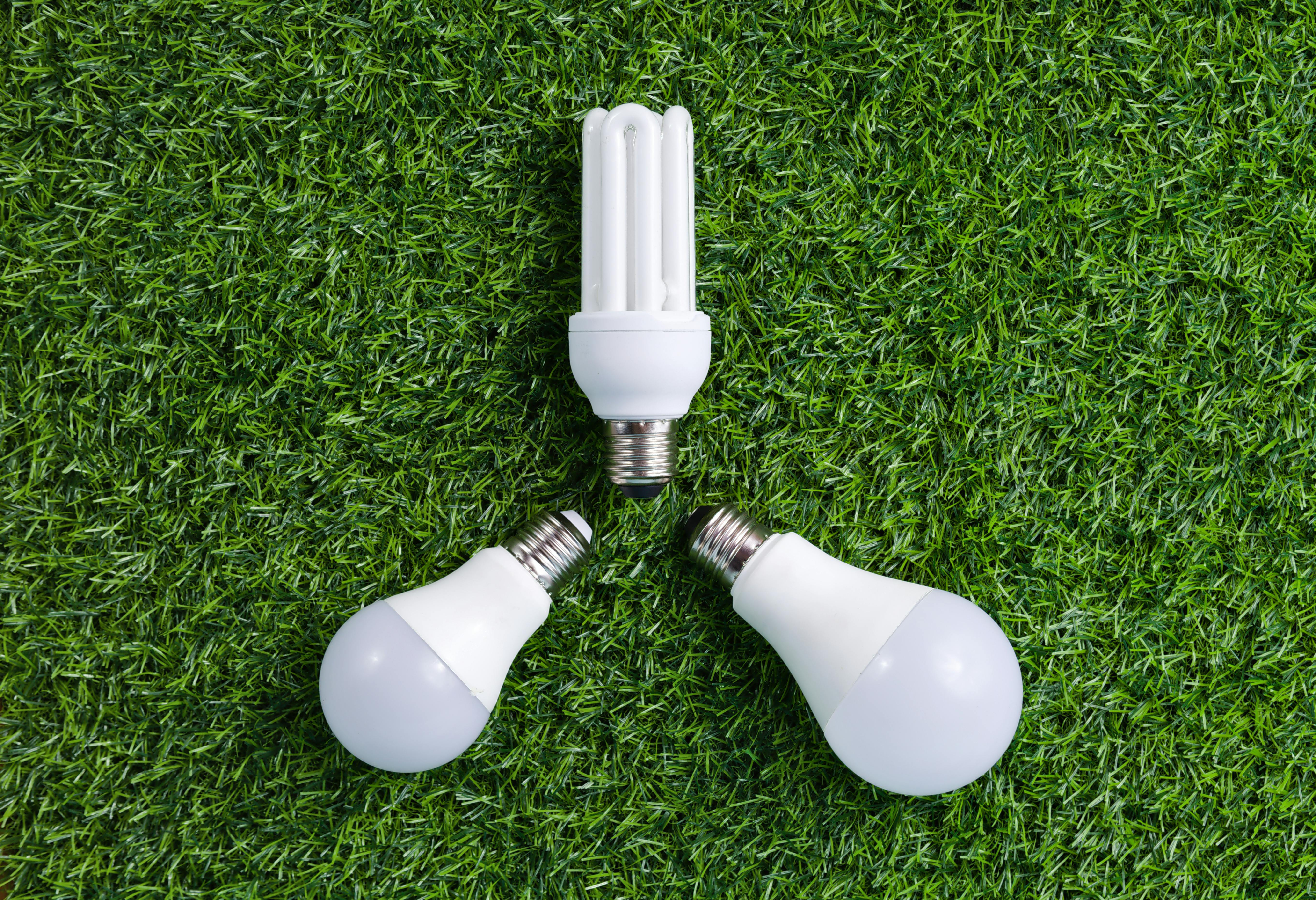
Soft throws and gentle sunlight can fill a living room with comfort, all while keeping utility costs in check. Simple changes, such as choosing the right fabrics or...
Apr 11, 2026

Sharing a small apartment with pets brings unique joys and a few challenges. You want your home to feel comfortable and tidy while making sure your animal companion...
Jun 24, 2026

People now enjoy wearing smartwatches as they offer a stylish look while packing impressive features into a compact device. These modern gadgets go beyond telling time;...
Jun 06, 2026
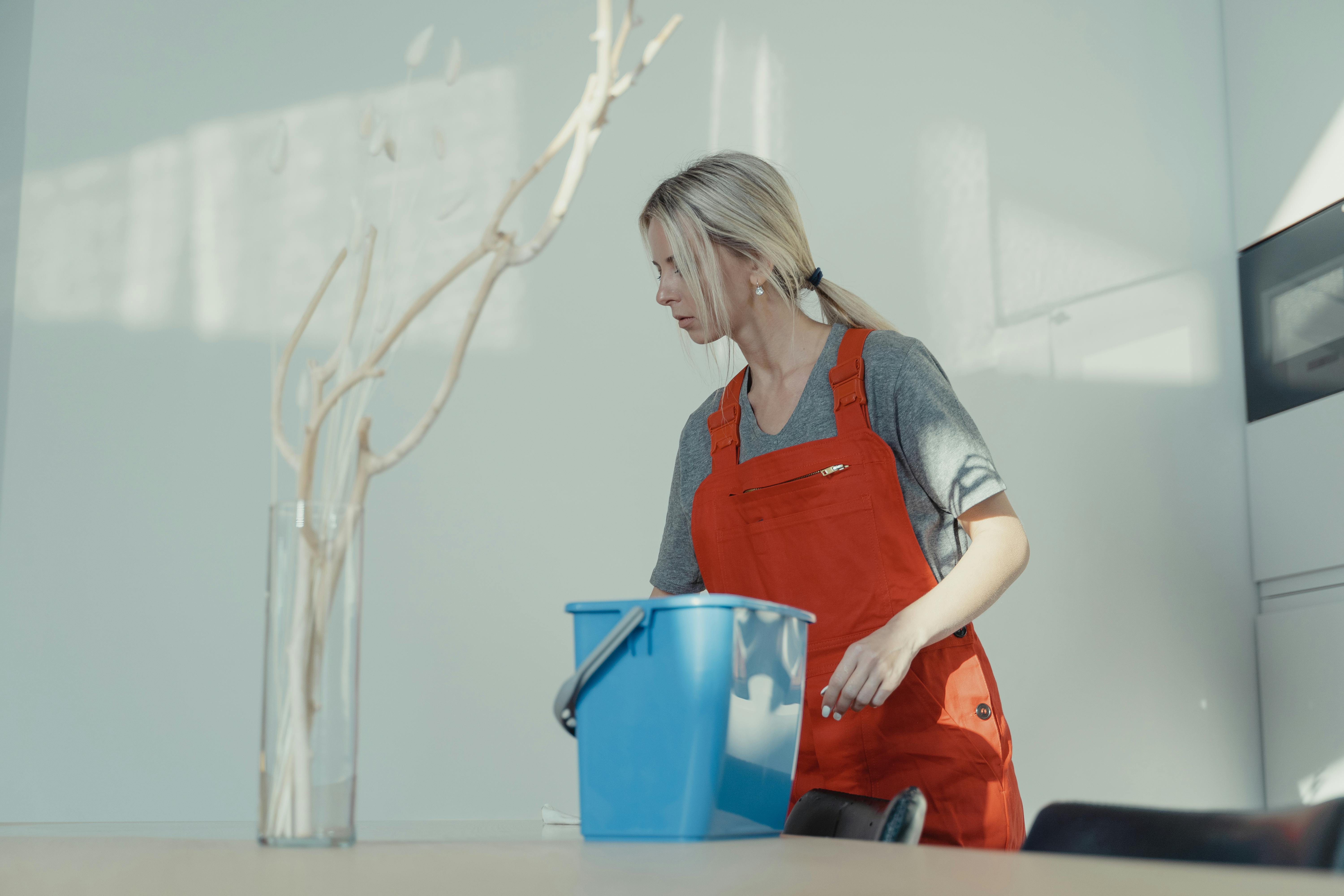
Switching to a green cleaning routine brings a refreshing sense of accomplishment. By choosing gentle cleaners over harsh chemicals, you create a home that feels both...
May 19, 2026

Curiosity about cryptocurrency investing often comes with both excitement and uncertainty. You have the opportunity to discover new financial possibilities while making...
Jun 21, 2026

Choosing to live alone brings a unique sense of independence and adventure. You have the opportunity to shape your home according to your personal preferences, create...
Jul 05, 2026

Showcase your technical skills and creativity by assembling a compelling portfolio that attracts new possibilities and reveals paths you may not have considered. Gather...
May 23, 2026

Creating an online shop opens the door to a rewarding experience filled with creative decisions and the potential for personal achievement. Building a digital space for...
Apr 22, 2026

Launching a career in science, technology, engineering, or math often begins with securing a scholarship that provides essential financial assistance and boosts...
Apr 25, 2026

Setting aside a gift that grows alongside your child’s dreams gives their future a solid foundation. Planning ahead allows you to create a safety net, making higher...
Jun 15, 2026

Creating wealth gives you the chance to make a difference and back initiatives that matter to you. By directing your resources toward efforts such as providing clean...
Jul 24, 2026