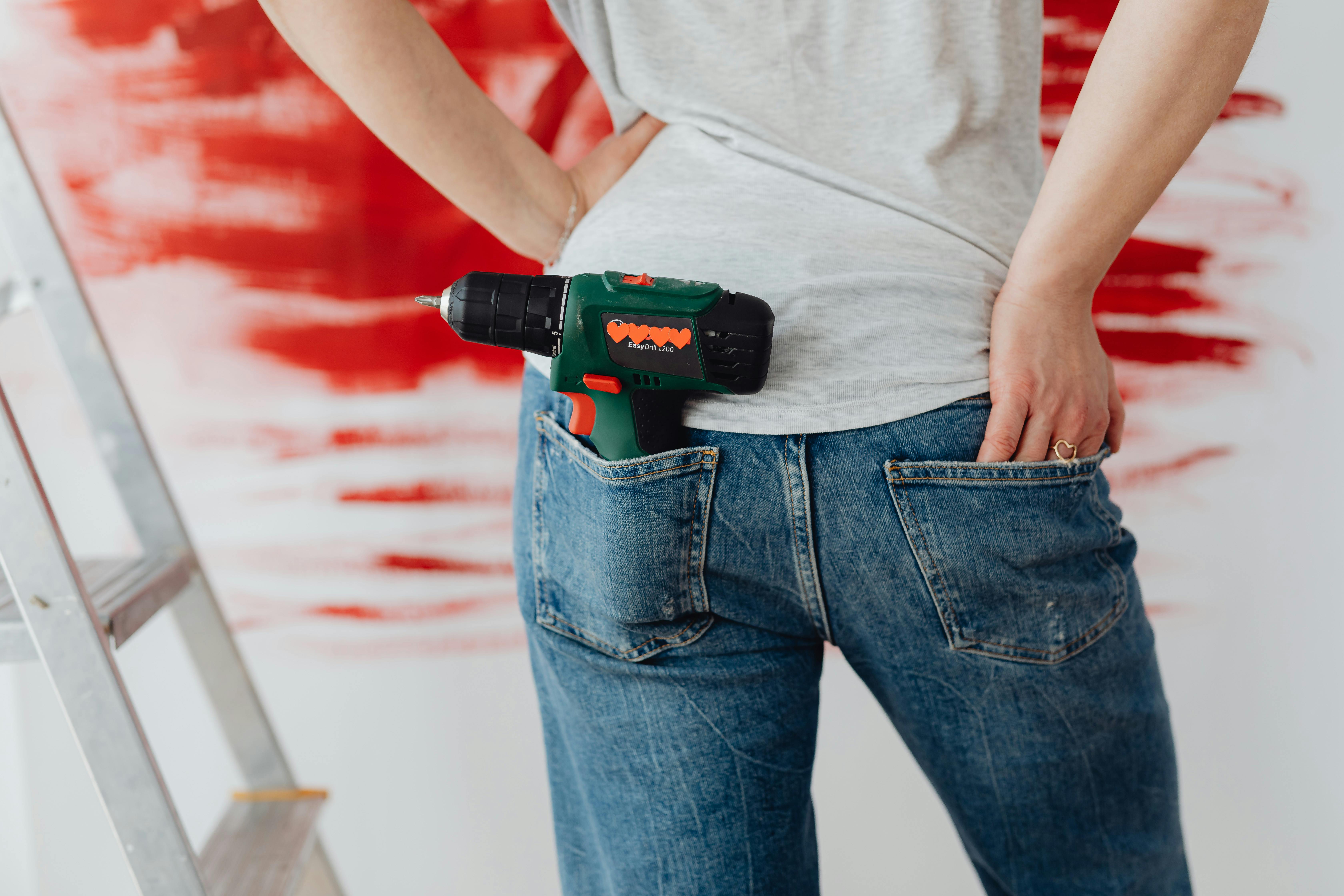
How To Select Home Improvement Tools For First-Time DIY Projects
Apr 15, 2026



Designing a home office that supports both comfort and productivity can feel overwhelming, yet a few thoughtful changes will help you build a space where you feel inspired to work. A carefully arranged workspace encourages better concentration and helps turn even routine tasks into more pleasant experiences. Whether you spend every workday at home or simply need a quiet corner to tackle occasional projects, the way you set up your environment plays a key role in your day-to-day satisfaction. By paying attention to layout, lighting, and organization, you can create an area that truly suits your needs and encourages you to do your best work.
By paying attention to key elements such as furniture, lighting, and organization, you can transform your home office into a place where work feels less like a chore and more like an engaging activity. Small changes can lead to significant improvements in how you approach your daily tasks, helping you stay motivated and comfortable throughout the day.
Start by selecting a quiet, low-traffic area in your home that allows you to concentrate. Look for a spot with enough space to set up your essential equipment without feeling cramped. Consider how close the area is to natural light sources, as sunlight can boost your mood and energy levels during work hours.
When picking your workspace, think about convenience and accessibility. Make sure it is near power outlets for your devices and has minimal distractions. Use furniture that fits well within the space and leaves room for movement. Having a dedicated place for work helps your brain associate that area with productivity, making it easier to switch into work mode.
Invest in a comfortable, adjustable chair that supports your lower back and promotes good posture. Sitting for long periods can cause discomfort and health issues if you don’t have the right support. Look for chairs that allow you to modify height, tilt, and lumbar support for personalized comfort.
Pair your chair with a desk that fits your height and workspace needs. A height-adjustable desk can make a big difference, allowing you to switch between sitting and standing. Use accessories like footrests or wrist supports to prevent strain and ensure your body stays aligned while working.
Lighting plays a crucial role in maintaining energy and focus. Maximize natural light by positioning your desk near windows and using sheer curtains to diffuse harsh sunlight. Supplement with task lighting such as adjustable desk lamps to illuminate your workspace without causing glare.
Maintain a pleasant atmosphere by incorporating calming colors and personal touches like artwork or plants. These elements can create a welcoming environment that motivates you to work. Avoid overly bright or dim lighting, as both can cause eye strain and fatigue, reducing your productivity.
Keeping your workspace tidy helps you stay focused and reduces stress. Use shelves, drawers, and organizers to store supplies neatly and within easy reach. Labeling storage containers can save you time when searching for essential items, keeping your desk clear of clutter.
Implement a system for managing papers and digital files to avoid chaos. Regularly review and discard unnecessary items, and establish a routine to keep your space organized. A clean, well-structured environment encourages a clear mind and smoother workflow.
Designing your home office to support boundaries between work and personal life is vital. Set clear start and end times for your workday, and avoid working outside those hours. Create routines that signal the beginning and end of your work sessions, such as a specific playlist or a short walk.
Take regular breaks to stretch, hydrate, and clear your mind. Moving away from your workspace temporarily helps prevent burnout and keeps you energized. Personalize your environment with items that bring you joy, making it a space where you want to spend time, yet know when to step away.
Choose a suitable location, use ergonomic furniture like *Herman Miller* chairs, and set clear boundaries to create a comfortable, efficient home office. These steps help support your productivity and well-being daily.
Soft throws and gentle sunlight can fill a living room with comfort, all while keeping utility costs in check. Simple changes, such as choosing the right fabrics or...
Apr 11, 2026
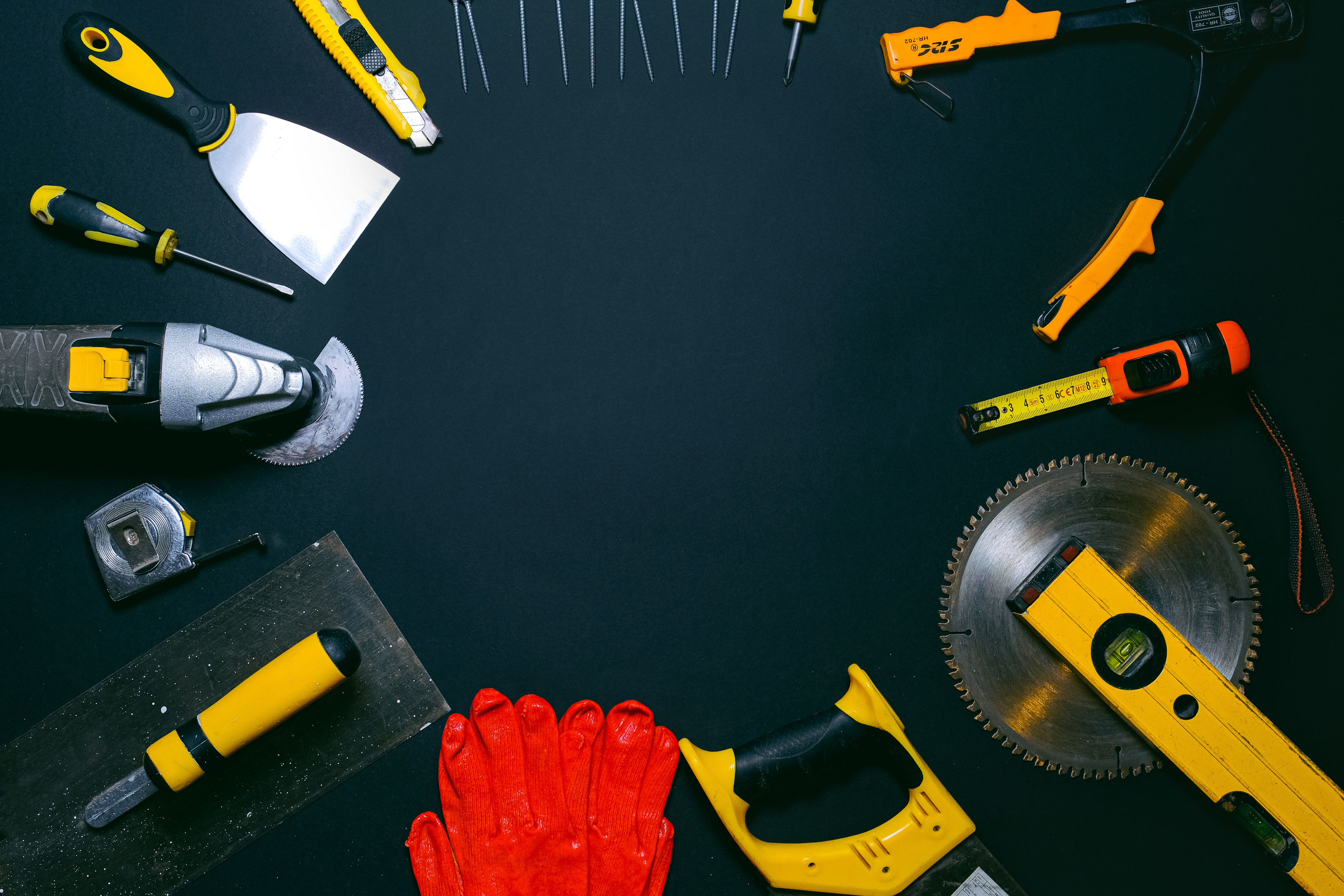
Picking quality tools helps you complete home projects with greater ease, speed, and satisfaction. Selecting equipment that matches your needs ensures each tool feels...
Aug 05, 2026

Managing a freelance tech career involves balancing various projects, communicating with clients, and meeting tight deadlines, often from a variety of locations. Each...
Jul 10, 2026

Creating an online shop opens the door to a rewarding experience filled with creative decisions and the potential for personal achievement. Building a digital space for...
Apr 22, 2026
Creating a home that feels inviting and stylish while also protecting little ones matters to every family. This guide offers ten practical methods to make each room...
May 09, 2026

Buying a home for the first time brings both excitement and a sense of anticipation, especially when you know how to approach the process. Begin by outlining what you...
May 02, 2026

Balancing the joys of pet ownership with the realities of apartment living calls for a bit of ingenuity and careful preparation. Even when your living area feels small,...
Aug 02, 2026

Many business owners balance the excitement of new projects with the ongoing responsibility of managing finances. When debts from loans and credit lines start to...
Jun 10, 2026

Sharing a small apartment with pets brings unique joys and a few challenges. You want your home to feel comfortable and tidy while making sure your animal companion...
Jun 24, 2026
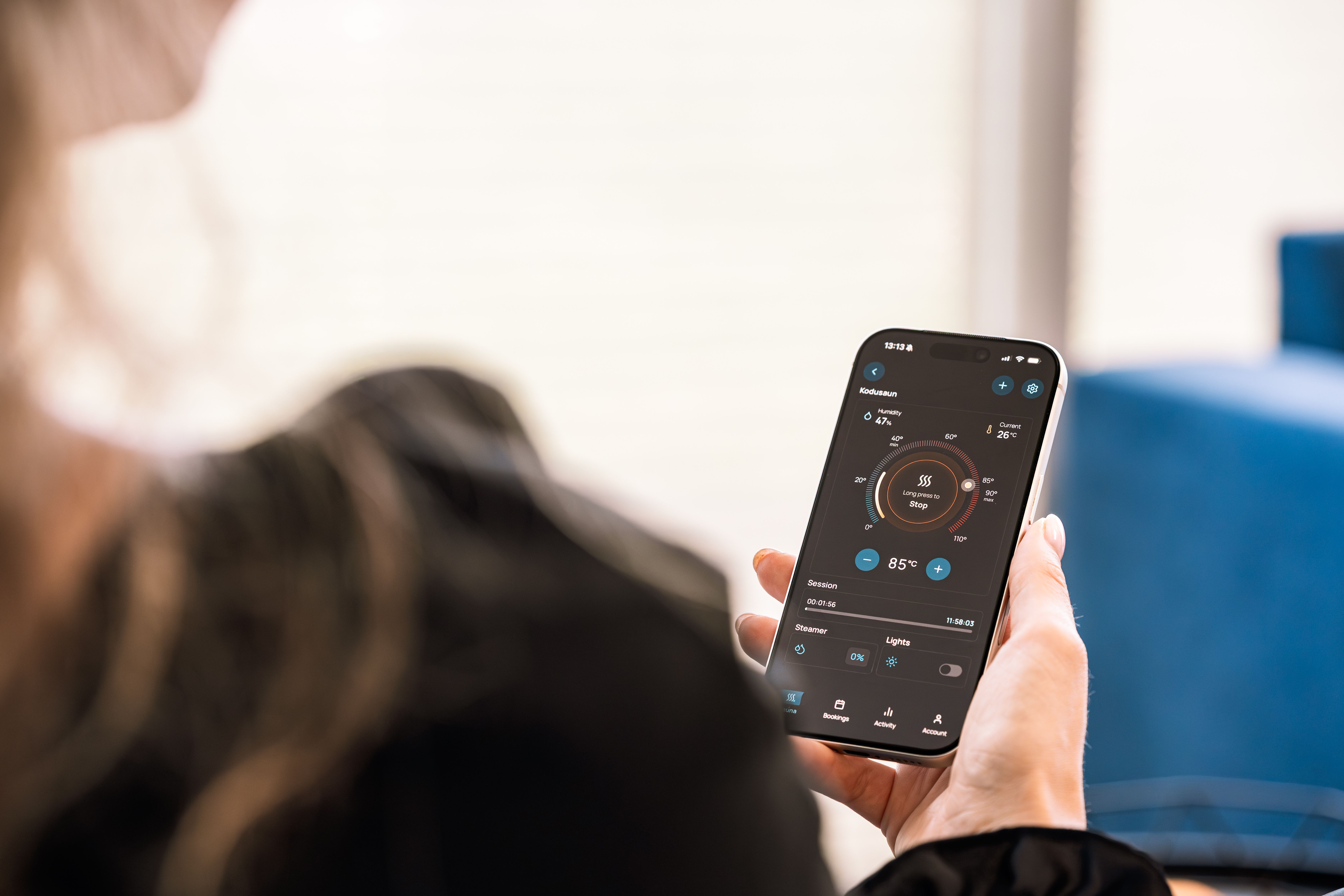
Choosing to live alone brings a unique sense of independence and adventure. You have the opportunity to shape your home according to your personal preferences, create...
Jul 05, 2026
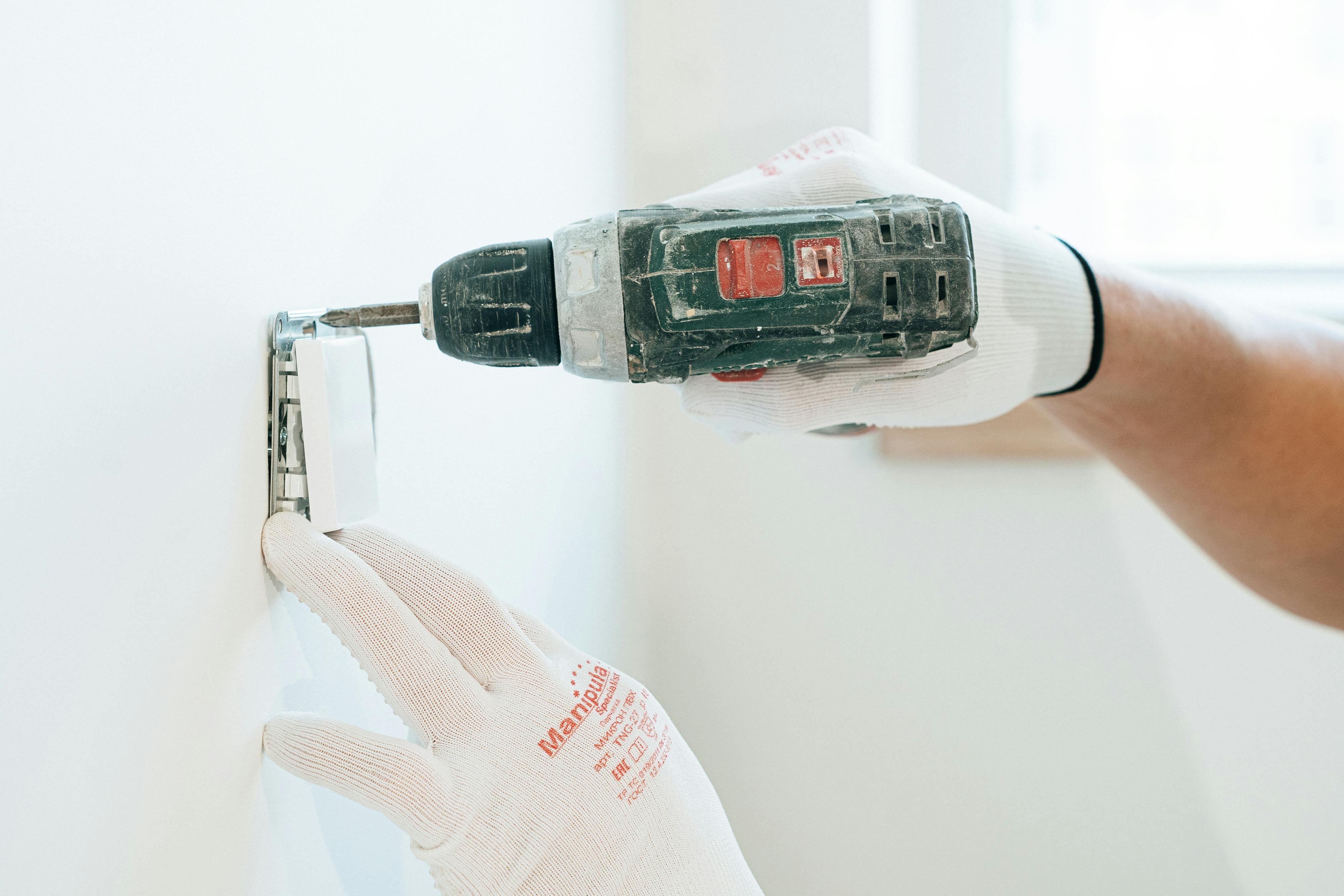
Many people find home maintenance challenging as daily demands leave little time for household tasks. Taking a straightforward, organized approach helps you manage...
May 12, 2026

Every day, people use devices and apps to share photos, communicate, and manage tasks as simple as checking bank balances. These convenient tools often store or transmit...
Jun 02, 2026

People now enjoy wearing smartwatches as they offer a stylish look while packing impressive features into a compact device. These modern gadgets go beyond telling time;...
Jun 06, 2026

Showcase your technical skills and creativity by assembling a compelling portfolio that attracts new possibilities and reveals paths you may not have considered. Gather...
May 23, 2026