

How To Design A Functional Home Gym In Limited Space
Carving out a workout area in an unused corner brings a sense of accomplishment and motivation. A small, dedicated space can encourage you to keep up with your fitness...
Oct 11, 2026


Living with pets brings plenty of joy, but it also introduces a steady stream of toys, leashes, and food bags that quickly fill up every corner of your home. You might tuck leashes by the entryway, gather toys in a basket, or store food in the garage, yet pet supplies seem to end up scattered throughout the house. Clutter creeps in, turning your favorite rooms into a jumble of belongings. Creating a tidy, organized environment helps everyone feel more comfortable and allows you and your pets to enjoy each space with less stress and more freedom of movement.
This guide invites you to assess what you own, group items thoughtfully and choose storage solutions that suit your style. You’ll enjoy practical ideas and simple steps that fit into your daily routine. Let’s transform your pet supplies from messy piles into tidy, accessible systems that bring joy and peace to your space.
Start by gathering every item you use for your pets in one spot. Collect food containers, grooming tools, toys, medicine, leashes and training gear. Spread them out on a table or clear floor space so you can see each piece clearly. This visual inventory highlights duplicates, expired foods or toys your pet no longer enjoys.
Next, sort through each category and set aside anything you no longer need. Perhaps your dog has outgrown those small chew toys, or your cat preferences have shifted from feathers to balls. Donate gently used gear to local shelters. Toss any expired treats or worn-out collars. This decluttering step creates room for better storage and ensures you keep only what truly fits your routine.
Once you’ve pared down to essentials, group items into clear categories. Assign each category a zone in your home—think pantry, utility closet or mudroom. When every zone has a purpose, you’ll grab what you need without hunting through multiple spaces.
Here are major categories to guide your organization:
Select containers that match your style and keep items visible or labeled. Clear bins work well for toys so your pet can pick a favorite. Opaque baskets add a decorative touch for grooming tools. For food and treats, choose airtight options that preserve freshness while fitting your kitchen or pantry shelves.
Try these storage recommendations:
Consistency helps keep your system organized over time. Schedule a quick weekly check where you put stray toys back, refill treat jars and wipe down containers. Set a reminder on your phone or connect this task to an existing habit, like Sunday morning coffee. When you keep items in their designated spots, you’ll avoid last-minute messes before walks or grooming sessions.
Encourage family members or roommates to participate. Attach simple checklist cards inside cabinet doors or on clipboards near the entry. This visual cue reminds everyone where things belong. Involve your kids or housemates by assigning them easy roles—maybe one person refills food while another washes toys. Shared responsibility helps prevent clutter and creates a more joyful environment for your pet and you.
If toys migrate from bins to every room, try rotating them. Keep a few favorites out and store the rest in a bin in a closet. Swap sets every week to keep your pet engaged and limit scattered toys. This approach keeps playtime fresh without cluttering your floors.
When food bags take up too much pantry space, use slim, tall containers that fit into narrow gaps. Secure loose bags inside these containers to protect against moisture and pests. If grooming tools pile up in bathroom drawers, mount a shallow magnetic strip on the inside of a cabinet door to hold scissors and clippers. Creative tweaks like these address clutter hotspots with minimal effort.
Follow these steps to organize your space and match your personal style. A clutter-free home reduces stress and makes pet care easier, allowing more quality time with your furry friend.
Carving out a workout area in an unused corner brings a sense of accomplishment and motivation. A small, dedicated space can encourage you to keep up with your fitness...
Oct 11, 2026
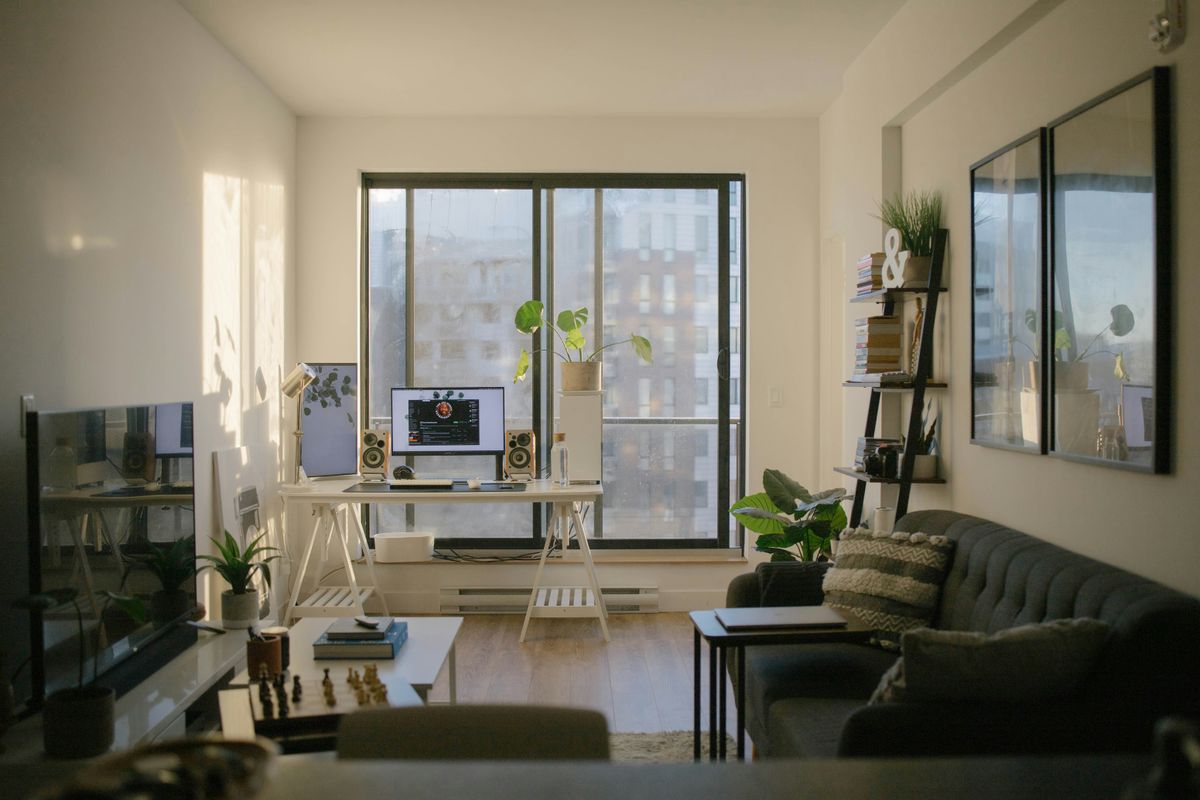
Designing a home office that supports both comfort and productivity can feel overwhelming, yet a few thoughtful changes will help you build a space where you feel...
Aug 09, 2026

Walking through your front door can feel so much better when you’re greeted by a tidy corner that brings a sense of calm. Instead of juggling tangled keys and piles of...
Sep 12, 2026

Warm evenings become even more enjoyable when you have a backyard that feels inviting and comfortable, almost like a natural extension of your home. Picture a place...
Jun 28, 2026

Transforming a plain wall into a warm gallery space or fixing a loose chair leg can feel simple and satisfying with the right tools on hand. When you collect a set of...
Sep 16, 2026

Picking quality tools helps you complete home projects with greater ease, speed, and satisfaction. Selecting equipment that matches your needs ensures each tool feels...
Aug 05, 2026

Many people feel overwhelmed at the thought of seasonal deep cleaning, yet this process can actually bring a sense of renewal when approached thoughtfully. Break your...
Oct 15, 2026

Creating crafts at home offers a fun and budget-friendly way to bring personality into your living space. Collecting basic materials and exploring new techniques can...
Jul 01, 2026

Learning to handle money early on gives you a real sense of control and self-reliance. Teens who get comfortable with making choices about saving, spending, and watching...
Aug 30, 2026

Choosing to live alone brings a unique sense of independence and adventure. You have the opportunity to shape your home according to your personal preferences, create...
Jul 05, 2026

Starting a Spotlight podcast brings a mix of anticipation and nervous energy. Your stories and perspectives deserve to be shared, and the journey ahead offers many...
Aug 16, 2026

Writing your first personal blog post feels a bit like sharing your story with a room full of new friends. Concerns about confusing settings or unexpected website...
Sep 24, 2026

Families can find new ways to simplify daily routines by turning to helpful technology designed for home life. Modern tools adjust to changing family schedules and...
Aug 12, 2026

Sharing moments and connecting with friends on social platforms can feel exciting, yet it’s important to stay mindful of your privacy. You might enjoy posting updates,...
Aug 19, 2026