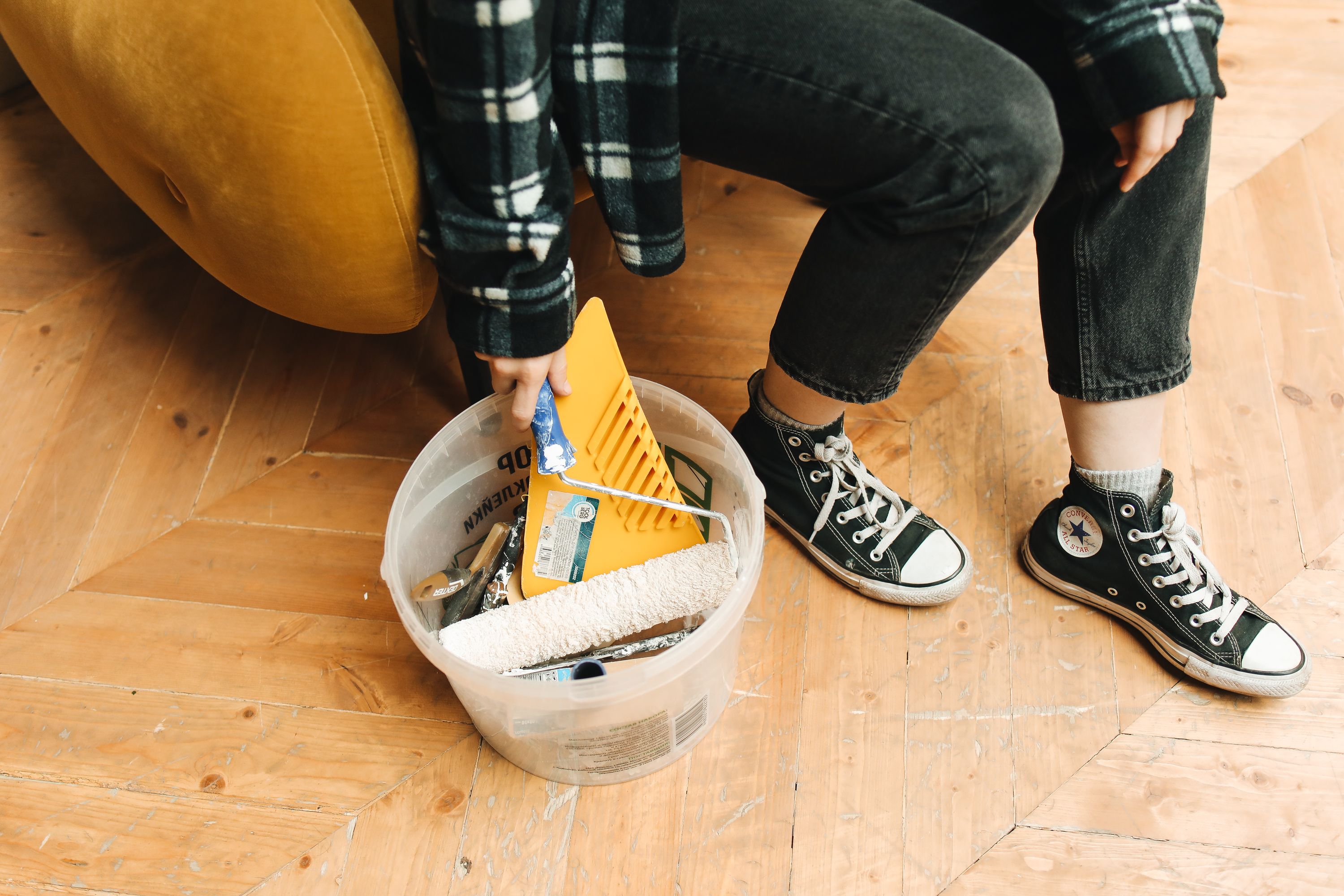
The Best Tools For Effortless DIY Home Repairs And Upgrades
Sep 16, 2026



A Rebuilding Together roof repair is a grant, not a loan: the local affiliate arranges and funds approved work at no cost to the homeowner, so there is nothing to repay. Published projects show older homeowners receiving roof repairs or replacements alongside other safety improvements. Retirement income is still counted in the income test: household income from all sources, including Social Security and pensions, is compared with the local Area Median Income (AMI). Being retired alone neither qualifies nor disqualifies you.
The published cases show the range of work local affiliates have carried out. In Miami’s Village West Coconut Grove neighborhood, Thaddeus, 63, received a new roof and hurricane-impact windows through Rebuilding Together Miami-Dade, with support from Wells Fargo Builds. He said, “Home means everything. It means a roof over one’s head.”
In Charlotte, North Carolina, Rebuilding Together of Greater Charlotte helped Gary and Patricia Turpin with a roof replacement, ramp, bathroom renovation, drywall repairs and gutter work. In Baton Rouge, Louisiana, Rebuilding Together Baton Rouge, working with Unum Group, provided Linda with a new roof, ramp, HVAC installation, new kitchen, and deck and porch repairs.
A later example is Samantha’s home in Marietta, Georgia. In June 2026, Rebuilding Together Atlanta worked with Lockheed Martin on a roof replacement, ceiling repairs, flooring removal and preparation, grab bars, plumbing work and step repairs. Samantha said, “Today, I feel proud of my home again.” Each linked story gives readers a closer account of the home and repairs.
Roof repairs are one part of the work. The national FAQ lists common services such as bathroom modifications, including grab bars; wheelchair ramps; HVAC repairs; window and door replacements; mold remediation; interior and exterior painting; yard maintenance; and fire-safety measures. A housing inspector assesses each home and sets its work scope. That is why published projects range from one repair to a broader set of improvements; the list of common services is not a promise that every home will receive every item.
The repair is grant-funded, rather than a loan to the homeowner. Funding can come from donations, national programs and corporate partnerships. The Safe at Home program describes services such as durable flooring, ramps, grab bars, lighting, ventilation, water-leak repairs and fire-safety upgrades. Corporate support can include Beacon Building Products, Lowe’s, Lockheed Martin, Unum Group and Wells Fargo Builds. These sources support repair projects; they do not make the homeowner responsible for repaying the donation or partnership funding.
For a clear example of the no-cost terms, Rebuilding Together Houston states that its repairs cost the homeowner nothing, the organization will not put a lien on the property, and staff and contractors will not ask the homeowner for money. A lien is a legal claim against a property. Houston’s stated terms apply to its programs; check the terms of the affiliate serving your address.
The national FAQ says eligibility is typically set at household income at or below 80% of local AMI, while each affiliate sets its own requirements. Use the threshold for the specific program you are applying to, not a figure from another affiliate or program. For example, Houston lists 50% or lower of AMI for its Community Revitalization track and 80% or lower of AMI for its Veterans track. These are Houston track thresholds, not universal limits.
Social Security, pensions and other income count toward total household income. The relevant comparison is the income of the household against the local AMI for the program. Alongside that income test, the stated homeowner and property conditions are:
A local affiliate may have additional program or service-area rules. Demand exceeds available capacity, so meeting the listed conditions does not mean every applicant will be accepted. The national FAQ directs homeowners to contact their local affiliate about specific eligibility.
The national office does not carry out home repairs. The work is delivered through a network of more than 100 local affiliates. The affiliate map and national information are the starting point: locate the affiliate covering your address, then contact that affiliate directly to begin screening.
Screening has two parts. First, the affiliate verifies whether the homeowner meets its qualifications. If that step is satisfied, a housing inspector visits the property, assesses conditions and determines the proposed scope of work. Licensed contractors handle specialized trades such as roofing, electrical and plumbing work. After the work, a Rebuilding Together housing inspector provides a completion report for the homeowner to review and sign. Volunteer teams may complete exterior work, typically in spring and autumn. Scheduling and available work depend on the local affiliate; no completion date is promised.
For screening, have proof of ownership, your property-tax status and household income information ready. The income details should reflect all household sources, including Social Security and pensions. These records help the affiliate assess the application and identify which program’s income threshold applies.
Describe the safety problem in specific terms, not only the inconvenience. For example, note whether water is entering a living space, a floor gives underfoot, or a window will not close or lock. Say whether the damage followed a storm or a leak, and identify any household member who is elderly, disabled or a child. Keep dated photographs and note when the damage began so the inspector can assess the condition.
While seeking the affiliate’s screening, use United Way’s local assistance directory to look for emergency repair or utility funds in your area. You can also review your city or county housing department’s official website for an emergency home-repair fund. These parallel searches may help identify local resources while the affiliate considers the roof and the rest of the home.
The practical next step is to open Rebuilding Together’s affiliate map, find the affiliate serving your address and contact it to begin screening. Have ownership proof, your property-tax position, total household-income information and dated damage photos ready. If the roof damage is making the home unsafe, United Way’s online local-assistance directory is another resource to check alongside the application.

Starting a Spotlight podcast brings a mix of anticipation and nervous energy. Your stories and perspectives deserve to be shared, and the journey ahead offers many...
Aug 16, 2026
Clutter often collects in living rooms, with toys scattered across the floor, magazines piling up on the coffee table, and blankets left draped over the couch....
Sep 04, 2026

Creating crafts at home offers a fun and budget-friendly way to bring personality into your living space. Collecting basic materials and exploring new techniques can...
Jul 01, 2026

Creating wealth gives you the chance to make a difference and back initiatives that matter to you. By directing your resources toward efforts such as providing clean...
Jul 24, 2026

Picking quality tools helps you complete home projects with greater ease, speed, and satisfaction. Selecting equipment that matches your needs ensures each tool feels...
Aug 05, 2026

Managing a freelance tech career involves balancing various projects, communicating with clients, and meeting tight deadlines, often from a variety of locations. Each...
Jul 10, 2026

Learning to handle money early on gives you a real sense of control and self-reliance. Teens who get comfortable with making choices about saving, spending, and watching...
Aug 30, 2026

Designing a home office that supports both comfort and productivity can feel overwhelming, yet a few thoughtful changes will help you build a space where you feel...
Aug 09, 2026

Families can find new ways to simplify daily routines by turning to helpful technology designed for home life. Modern tools adjust to changing family schedules and...
Aug 12, 2026

Life after divorce brings many changes, including new challenges around planning for retirement. As you adjust to your new routines and manage the emotional journey, it...
Jul 29, 2026

Managing invoices, credit lines, and everyday expenses often feels overwhelming. Setting up a straightforward plan allows you to track every dollar you spend and see...
Jul 21, 2026

Choosing to live alone brings a unique sense of independence and adventure. You have the opportunity to shape your home according to your personal preferences, create...
Jul 05, 2026
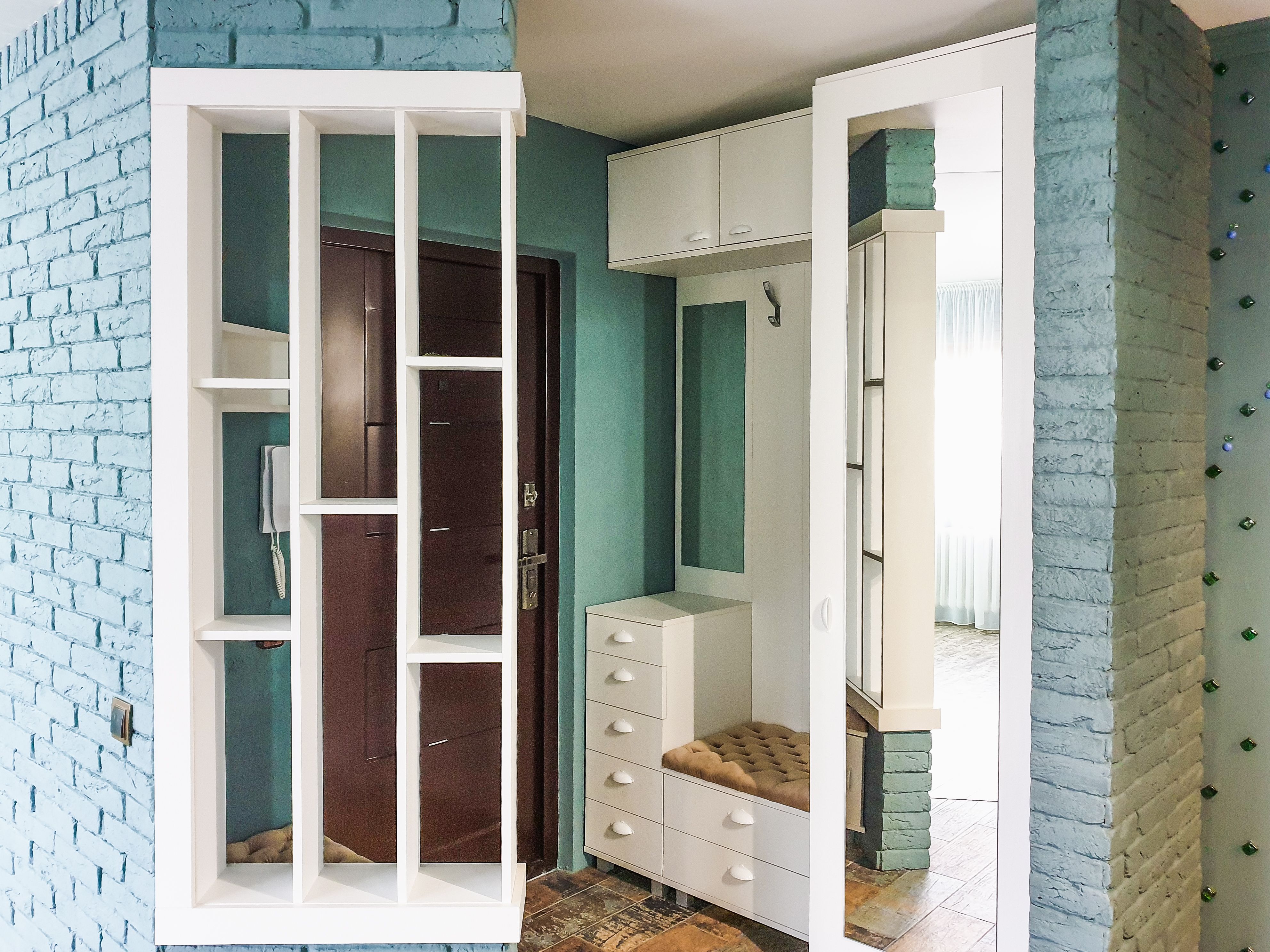
Walking through your front door can feel so much better when you’re greeted by a tidy corner that brings a sense of calm. Instead of juggling tangled keys and piles of...
Sep 12, 2026

Losing a loved one often brings a mix of emotions and practical responsibilities, especially when it comes to transferring family assets. Sorting through legal documents...
Aug 22, 2026